How to Propagate Water elm?
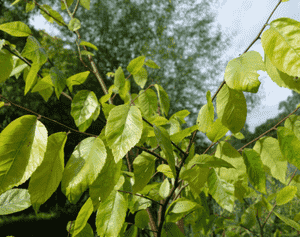
The water elm, a deciduous tree flourishing in damp environments, reproduces successfully via cuttings. For optimal outcomes, utilize semi-hardwood cuttings collected in the latter part of summer. Confirm that the cuttings originate from robust branches, are briefly immersed in a rooting stimulant, and then situated in a damp substrate. Sustain a continuously humid atmosphere to foster root development, which generally manifests within several weeks.
Optimal Time for Water Elm Propagation
Propagation Method
Cutting
Propagation Period
Autumn,Winter
Tools for Water Elm Propagation
Sharp Pruning Shears
These are vital for making clean, precise cuts when preparing water elm cuttings. Sharp blades minimize plant tissue damage, aiding better healing and rooting. It's crucial to choose shears sharp enough to avoid crushing the delicate stems of water elm.
Rooting Hormone
This substance is key to boosting root development in water elm cuttings. Applying rooting hormone to the cut end significantly improves rooting success. It stimulates root growth from the cut site, essential for water elm establishment and overall vigor.
Sterile Potting Mix
A light, well-draining sterile potting mix offers an ideal setting for water elm cuttings to root. Sterility prevents disease introduction that could harm vulnerable cuttings. The mix's texture also ensures adequate moisture retention and air circulation, both crucial for water elm rooting.
Propagation Trays
These trays hold cuttings and potting mix as water elm roots form. They need sufficient depth for cuttings and to maintain necessary moisture. Trays also simplify managing multiple cuttings, allowing for organized growth monitoring.
Propagating Water Elm
Propagation Difficulty
Moderately Difficult
Caring for Newly Propagated Water Elm
Caring for Newly Propagated Water Elm
Water elm thrives in moist conditions and needs consistent hydration. Post-propagation, ensure the soil stays damp and the plant gets partial to full sunlight. Gradually introduce the new plant to outdoor conditions if it started indoors. Regularly check for pests and diseases common to aquatic plants.
Common Propagation Errors for Water Elm
Improper soil moisture management
Excessive or insufficient watering can cause root rot or dehydration, both hindering successful propagation.
Incorrect cutting selection
Using unhealthy or unsuitable plant parts for cuttings can decrease successful rooting rates.
Lack of temperature control
Exposing cuttings to extreme temperatures can stress the plant and impede root development.
Poor soil quality
Using soil with inadequate drainage or nutrient deficiencies can obstruct the growth of new plants.
Water Elm Propagation Advice
Use healthy cuttings
Select cuttings from robust, disease-free plants to increase the likelihood of successful rooting.
Maintain balanced soil moisture
Keep the soil consistently moist but not waterlogged to support root growth without causing rot.
Ensure proper drainage
Utilize well-draining soil to prevent water accumulation around the roots, which can lead to rot.
Provide stable temperatures
Maintain cuttings in a stable, moderate temperature environment to avoid stress and promote healthy growth.
Use rooting hormone
Applying rooting hormone to cuttings can accelerate root development and improve success rates.



