How to Propagate Chickasaw plum?
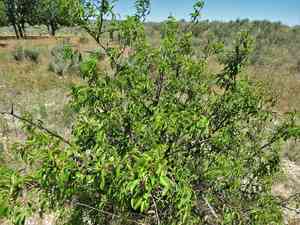
Chickasaw plum is best multiplied in the fall and winter seasons through methods of cutting and layering. Its propagation presents a moderate challenge, with the emergence of new roots signifying successful establishment. Maintaining adequate moisture and favorable soil conditions are crucial elements for successful propagation.
Optimal Time for Chickasaw Plum Propagation
Propagation Method
Cutting
Propagation Period
Autumn,Winter
Tools Utilized in Chickasaw Plum Propagation
Sharp pruning shears or knife
Crucial for taking cuttings, sharp pruning shears or a specialized grafting knife ensure a clean cut, promoting healing and reducing disease risk. For chickasaw plum, precise and clean cuts are vital for the health of both parent plant and cuttings.
Rooting hormone
This synthetic auxin boosts root development in cuttings. A rooting hormone powder or gel stimulates root growth in chickasaw plum cuttings, increasing successful propagation rates.
Potting medium
A well-draining, sterilized potting medium offers an ideal environment for chickasaw plum cuttings to form roots. A peat and perlite or sand mix promotes aeration and moisture retention without waterlogging.
Plant pots or trays
Containers are needed to hold the potting medium and provide a stable space for chickasaw plum cuttings to root. Pots or trays should have adequate drainage to prevent excess water accumulation.
Plastic covers or propagator
A transparent plastic cover or a propagator creates a humidity-controlled environment for chickasaw plum. This tool helps maintain consistent moisture around cuttings, essential for root initiation and growth.
Misting bottle
Used to gently water cuttings, a misting bottle prevents overwatering and helps maintain humidity. For chickasaw plum, consistent moisture is important, but cuttings should not be soaked, making a misting bottle ideal.
Heat mat
A heat mat warms the rooting area, encouraging faster root development. Chickasaw plum may benefit from bottom heat to promote quicker root growth in a controlled manner.
Post-Propagation Care for Your Chickasaw Plum
Post-Propagation Care for Your Chickasaw Plum
Once established, maintain consistent watering for the young chickasaw plum, allowing the soil to dry slightly between waterings. Place in a sunny to partly shady location and protect from extreme temperatures. As the chickasaw plum grows, integrate a balanced fertilizer during its active growth period to promote healthy development.
Common Errors to Avoid When Propagating Chickasaw Plum
Over-watering cuttings
Excessive moisture can lead to rot, which is detrimental to the rooting process of chickasaw plum's cuttings. Root rot can prevent successful propagation and can ultimately kill the cutting before it takes root.
Using soil that lacks drainage
Poor drainage can cause water to accumulate around the roots of chickasaw plum, which can lead to fungal infections and root rot, hindering the plant's growth and survival.
Neglecting to provide proper humidity
Lack of a humid environment can cause cuttings of chickasaw plum to dry out before they establish roots, resulting in propagation failure.
Cutting incorrect stem sections
Choosing stems that are either too young or too old may result in a low success rate for rooting because immature stems lack the necessary resources to grow roots and over-mature stems don't have the same vigor as younger ones.
Advice for Propagating Chickasaw Plum
Use healthy parent plants
Starting with robust and disease-free plants ensures better quality cuttings and improves the chances of successful propagation of chickasaw plum.
Prepare cuttings properly
Cut stems just below the node and include a couple of leaves to ensure chickasaw plum's cuttings have the necessary nodes to initiate roots and leaves to sustain growth through photosynthesis.
Semi-hardwood is optimal
Propagation of chickasaw plum is usually more successful with semi-hardwood cuttings, which are mature enough to root well but still young and vigorous.
Apply rooting hormone
Using a rooting hormone can encourage quicker root development in chickasaw plum's cuttings, leading to more reliable propagation outcomes.
Maintain appropriate humidity
Providing a humidity dome or mist regularly to keep chickasaw plum's environment humid is crucial for encouraging root formation without the cuttings drying out.



