How to Propagate Cherry plum?
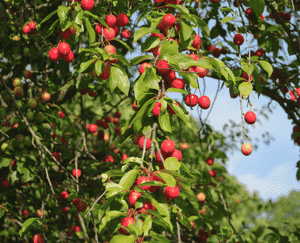
Cherry plum multiplies successfully via techniques such as cuttings and layering during the prime periods of fall and winter. This procedure can present a moderate challenge, yet fresh development signifies achievement. Appropriate nurturing and favorable environmental factors are crucial for flourishing specimens.
Optimal Time for Cherry Plum Propagation
Propagation Method
Cutting
Propagation Period
Autumn,Winter
Tools for Cherry Plum Propagation
Sharp Pruning Shears
Crucial for obtaining healthy cuttings, sharp pruning shears ensure a clean incision, minimizing stress and potential harm to the cherry plum parent plant. Clean cuts heal quicker and are less susceptible to infections, leading to a higher propagation success rate.
Rooting Hormone
Rooting hormone assists in stimulating root development from the cuttings. By dipping the base of the cherry plum cutting into the rooting hormone, you enhance the likelihood of the cutting forming robust roots, which is vital for the establishment of a new plant.
Sterilizing Agent
Sterilizing agents such as alcohol or bleach solution are utilized to sanitize pruning shears and other implements before and after use to prevent the spread of disease among plants. This is particularly important when propagating cherry plum to ensure both the cuttings and parent plants remain healthy.
Propagation Medium
A well-draining, sterile propagation medium, such as a peat and perlite mixture, offers a suitable environment for cherry plum cuttings to develop roots. It retains necessary moisture for root growth while allowing excess water to drain, preventing rot.
Humidity Dome or Plastic Bag
Maintaining elevated humidity levels around the cherry plum cutting can reduce water loss through the leaves and create an ideal microclimate for root initiation. A humidity dome or clear plastic bag over the cutting can achieve this while still allowing light to reach the plant.
Heating Mat
A heating mat maintains a consistent, warm temperature, encouraging faster root growth in cherry plum cuttings. Keeping the soil warm can be especially beneficial for this species, as root development is temperature-dependent.
Labels and Markers
Labels and markers are used to track the various stages of cherry plum cuttings from the day of cutting to potting. This is essential for managing a propagation schedule and monitoring the progress of the cuttings.
Caring for Your Newly Propagated Cherry Plum
Caring for Your Newly Propagated Cherry Plum
Post-propagation, position the pot in a warm, indirectly lit area, and maintain consistent moisture without over-saturating. Shield cherry plum from temperature extremes and ensure high humidity by covering with a plastic bag or using a propagation dome, if feasible. When new growth appears, signaling successful rooting, gradually acclimate the young cherry plum by introducing it to the environment outside the dome or bag. Transition to a regular cherry plum care routine, providing adequate sunlight, water, and nutrients as it matures.
Common Errors to Avoid When Propagating Cherry Plum
Insufficient cutting preparation
Using dull or unsterilized tools to cut stems for propagation can cause damage and introduce pathogens to cherry plum, potentially hindering rooting or causing infection.
Incorrect soil medium
Selecting a soil medium that drains poorly or lacks nutrients can lead to cherry plum roots rotting or struggling to develop, resulting in a lower propagation success rate.
Overwatering cuttings
While cuttings need moisture to root, excessive water can lead to fungal growth and rot, which can be detrimental to cherry plum's delicate new roots.
Neglecting humidity levels
Cherry plum cuttings require a specific level of humidity to root effectively. Ignoring this can cause the cuttings to dry out and reduce the chances of successful propagation.
Deep planting of cuttings
Planting cuttings too deeply can suffocate the emerging roots of cherry plum by limiting oxygen access, leading to poor establishment or rot.
Ignoring cutting orientation
Failing to plant cuttings with the correct end facing up may prevent rooting, as cherry plum cuttings have a specific orientation, and the top end typically has more growth-promoting hormones.
Tips For Propagating Cherry Plum
Utilize sharp, sterilized tools
Clean cuts prevent damage to the parent plant and reduce the risk of disease transmission to cherry plum, promoting better rooting and plant health.
Choose the appropriate medium
Using a well-draining soil medium enriched with organic matter provides cherry plum with an ideal environment for root growth without the risk of waterlogging.
Balance watering
Maintain consistent moisture but avoid waterlogging the soil to provide the optimal environment for cherry plum cuttings to form healthy roots.
Create a humid environment
Covering cuttings with a plastic dome or using a misting system can help maintain high humidity levels, which is instrumental for cherry plum cuttings to root successfully.
Plant cuttings at the correct depth
Inserting cherry plum cuttings shallowly ensures the budding roots have access to sufficient oxygen, which is critical for root development and plant vigor.
Respect cutting orientation
Ensuring cherry plum cuttings are placed in the soil with the correct end up is key for successful rooting and eliminating confusion that could impede growth.



