How to Propagate Sour cherry?
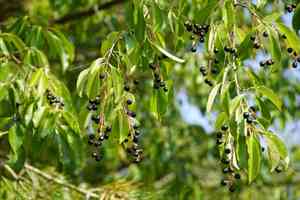
Sour cherry plants are most effectively propagated in the Spring and Winter seasons, primarily through techniques like grafting and layering. Due to the challenging nature of its propagation, the emergence of new shoots and foliage signifies successful establishment. No additional specific advice is required for this propagation process.
Optimal Period for Sour Cherry Propagation
Method of Propagation
Grafting
Propagation Period
Spring,Winter
Tools Required for Sour Cherry Propagation
Grafting Knife
A premium grafting knife is essential for making precise incisions on sour cherry scion and rootstock. Its sharpness ensures clean cuts without tissue damage, fostering better graft union and reducing disease risk.
Grafting Tape or Rubber Bands
These materials are utilized to firmly secure the graft until it heals. They must provide sufficient tension to remain tight yet allow for sour cherry growth. Biodegradable, stretchable grafting tapes are particularly advantageous.
Pruning Shears
Sharp, sanitized pruning shears are used to trim the rootstock and remove unwanted growth. Sterilized blades help prevent pathogen introduction to sour cherry, crucial for graft success and overall health.
Rooting Hormone (optional)
While not mandatory for grafting, some propagators apply rooting hormone to sour cherry's cut surfaces to stimulate callus formation and enhance successful grafting rates.
Wound Sealant
Applying a wound sealant to cut surfaces helps protect sour cherry from disease and moisture loss during grafting. This is especially vital for woody plants like sour cherry, as they are prone to fungal infections at wound sites.
Post-Propagation Care for Your Sour Cherry
Post-Propagation Care for Your Sour Cherry
Following propagation, sour cherry needs consistent watering to establish a robust root system, particularly in its initial growing season. Mulch around the base to retain moisture and regulate soil temperature. Shield the young tree from pests and diseases with appropriate preventive measures. Prune sour cherry annually to maintain an open canopy, promoting light penetration and air circulation, which boosts fruit production and overall vitality.
Common Errors to Avoid When Propagating Sour Cherry
Disregarding rootstock compatibility
Propagating sour cherry without considering rootstock compatibility can result in weak growth or disease susceptibility. Sour cherry is often grafted onto rootstocks that offer disease resistance and control tree size.
Overlooking cutting vitality
Using cuttings that are unhealthy or too old can lead to poor rooting and plant establishment. Robust, disease-free cuttings increase the likelihood of successful propagation.
Neglecting soil preparation
Failing to prepare a well-draining soil medium can cause root rot in sour cherry. The soil must be loose and fertile to support root development.
Incorrect cutting placement
Inserting cuttings too deep or not deep enough into the rooting medium can hinder root formation in sour cherry. Cuttings should be positioned at an appropriate depth to encourage rooting.
Advice for Propagating Sour Cherry
Choose healthy scions
Selecting healthy, vigorous scions from a disease-free sour cherry parent plant ensures a strong start for propagation. Opt for scions with multiple nodes for optimal growth.
Ensure good rootstock match
Choose a rootstock that is compatible with sour cherry to promote vigor and disease resistance. Compatibility significantly impacts grafting success.
Provide optimal soil conditions
Utilize a well-draining soil mixture rich in organic matter to foster healthy root development for sour cherry. Consistently moist, but not waterlogged, soil is ideal for cuttings to take root.
Careful cutting placement
Position cuttings at the correct depth and angle into the soil or rooting medium to encourage proper root formation. A slanted cut and partial burial of the nodes aid in rooting sour cherry cuttings.



