How to Propagate European plum?
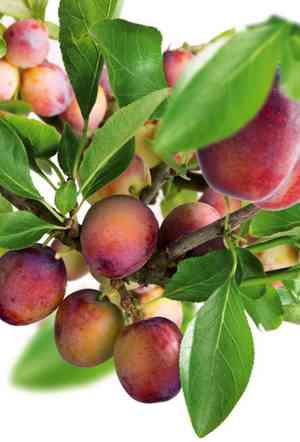
European plum can be successfully propagated through grafting and layering methods, ideally during late winter to early spring. The process is relatively easy, with successful propagation marked by new growth and active root formation. Avoid overcrowding to promote healthy development.
What Is the Best Time To Propagate European Plum?
Propagation Type
Grafting
Propagation Season
Spring,Winter
What Tools Are Used in European Plum Propagation?
Grafting Knife
A sharp grafting knife is essential for making clean cuts on the scion and rootstock of european plum, ensuring that the tissues align properly for successful grafting. This tool helps create a smooth and precise cut, reducing the risk of infection and improving the chances of a successful union.
Grafting Tape or Strips
These are used to securely hold the scion in place while the graft heals. For european plum, it's important to maintain a tight seal to prevent moisture loss and to keep pathogens out. Grafting tape or strips that are flexible and waterproof are particularly beneficial.
Rootstock and Scion Material
Carefully selected rootstock and scion of european plum provide the genetic material necessary for propagation. Healthy and disease-free specimens are crucial for the success of the graft.
Pruning Shears
Pruning shears are used to prepare the rootstock of european plum by trimming away any excess foliage or branches before grafting. They should be sharp and clean to prevent damage and disease transmission to the plant material.
Disinfectant Solution
This is used to sterilize grafting tools before and after use to prevent the spread of disease among european plum plants. This ensures that the grafting process doesn't introduce pathogens that could compromise the health of the plant.
Wound Dressing or Grafting Wax
After the graft has been made, it's important to cover the wound on european plum with a dressing or wax to promote healing and prevent desiccation or infection. A grafting wax specifically designed to be breathable can be particularly beneficial.
How to Care for Your Newly Propagated European Plum?
How to Care for Your Newly Propagated European Plum?
Post-Propagation Care keyword: Monitor the young european plum for signs of growth, which indicate a successful graft. Provide support with stakes if necessary, protect from pests and diseases with appropriate measures, and follow regular watering and fertilization suitable for european plum. Prune only when necessary to shape the tree and remove damaged or diseased branches.
Common Mistakes to Avoid When Propagating European Plum
Ignoring rootstock compatibility
Using incompatible rootstock for grafting european plum can result in poor growth or failure to thrive, since rootstock affects vigor, disease resistance, and adaptability to soil conditions.
Overlooking disease free material
Selecting diseased or pest-infested material for propagation can spread pathogens to new plants, resulting in stunted growth or death of european plum.
Neglecting hydration
Inadequate watering after planting cuttings or grafting may cause desiccation and failure of european plum cuttings or grafts to establish.
Improper cuttings selection
Choosing non-viable or weak cuttings of european plum can result in unsuccessful rooting or weak growth.
Overfertilizing
Applying too much fertilizer can lead to excessive foliage growth at the expense of fruit production in european plum and may also cause root burn.
Tips For Propagating European Plum
Choose compatible rootstock
Select a rootstock that is compatible with european plum to ensure good growth, disease resistance, and adaptability, which are crucial for the successful establishment of the plant.
Use healthy material
Always use disease-free and pest-free material when propagating european plum to prevent the spread of pathogens to the new plants and ensure vigorous growth.
Maintain moisture
Keep the soil consistently moist after planting european plum cuttings or grafts to promote successful establishment and root development.
Select robust cuttings
Use robust and healthy cuttings from european plum for propagation to ensure a high chance of successful rooting and strong plant development.
Fertilize carefully
Fertilize european plum judiciously, following recommended guidelines to avoid overfertilization, ensuring balanced growth and fruit production.



