How to Propagate Cherry laurel?
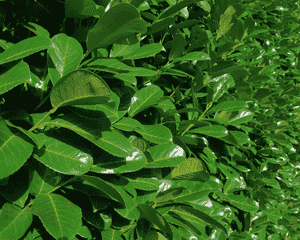
Cherry laurel can be effectively multiplied via cuttings, preferably during the spring or summer seasons. This procedure is quite straightforward, with fresh development signaling successful establishment. Employing rooting stimulant and a porous growing medium will enhance the cutting's likelihood of success.
Optimal Time for Cherry Laurel Propagation
Propagation Method
Cuttings
Propagation Period
Spring, Summer
Essential Tools for Cherry Laurel Propagation
Pruning Shears
These instruments are utilized for harvesting cuttings from cherry laurel. Sharp, clean shears ensure a precise cut, minimizing harm to the parent plant and enhancing the likelihood of successful rooting. Sterilization before use prevents disease transmission.
Rooting Hormone
This substance is applied to the severed end of cherry laurel cuttings to stimulate root development. Rooting hormone boosts the success rate by encouraging root formation at the cut site, which is vital for new plant establishment.
Potting Mix
A well-draining and sterile potting medium is crucial for providing an appropriate growth environment for cherry laurel cuttings. It should retain moisture without becoming saturated, facilitating proper root growth and aeration.
Propagation Tray
Trays serve to secure cherry laurel cuttings and maintain a moist atmosphere around them. These trays typically feature a clear lid to preserve humidity and warmth, mimicking greenhouse conditions favorable for rooting.
Heat Mat
A heat mat gently warms the rooting zone of cherry laurel cuttings, promoting accelerated root growth. Consistent warmth is a key factor in improving the chances of successful rooting, especially in cooler climates or during colder months.
Misting Bottle
A misting bottle is employed to keep the foliage and medium of cherry laurel cuttings damp without overwatering. Regular misting helps sustain the necessary humidity levels around the cuttings, crucial for preventing desiccation.
Sterilizing Agent
A substance such as alcohol or bleach solution is used to sanitize propagation tools before cutting cherry laurel. This practice prevents the spread of pathogens, ensuring the health and viability of the cuttings throughout and after the propagation process.
Steps to Propagate Cherry Laurel
Propagation Method
Cuttings
Difficulty Level
Moderately Challenging
Caring for Your Newly Propagated Cherry Laurel
Caring for Your Newly Propagated Cherry Laurel
Post-transplant, continue to irrigate cherry laurel regularly, allowing the soil to dry slightly between waterings. Apply a balanced fertilizer during the active growth period, and prune annually to maintain shape and health. Shield young plants from extreme temperatures and apply mulch to conserve soil moisture and temperature. Monitor for common cherry laurel pests and diseases, such as scale insects or shot hole disease, and treat promptly if observed.
Common Errors to Avoid When Propagating Cherry Laurel
Overwatering
Excessive watering during cherry laurel propagation can lead to root rot and other fungal issues. This is problematic as it can hinder root growth and negatively impact the overall health of cuttings or young plants.
Inadequate soil preparation
Failure to provide well-draining soil or the correct soil mix for cherry laurel can result in waterlogging and impede successful plant establishment. This error can lead to poor root development and reduced growth.
Improper cutting selection
Utilizing non-viable or diseased cherry laurel cuttings can lead to propagation failure. If cuttings are not chosen correctly, they may not root properly or could transmit diseases to new plants.
Ignoring pest and disease control
Neglecting to monitor and manage pests and diseases in cherry laurel can result in weakened cuttings and a lower propagation success rate. Pests and diseases can compromise the plant's vitality and ability to establish.
Planting depth inconsistency
Planting cherry laurel cuttings at varying depths can cause uneven growth and reduce the likelihood of successful rooting. Cuttings planted too deep may rot, while those planted too shallow might not develop sufficient roots.
Tips for Propagating Cherry Laurel
Use healthy parent plants
Selecting robust and vigorous parent plants for cuttings will ensure strong genetic material for cherry laurel, enhancing the chances of successful propagation.
Cutting length and node inclusion
Ensure cuttings are of appropriate length, typically 4 to 6 inches, and include at least two nodes. Nodes are the primary sites for root formation in cherry laurel.
Rooting hormone application
Applying a rooting hormone to cherry laurel cuttings can promote faster and more consistent root development, which is crucial for successful propagation.
Maintain adequate humidity
Creating a humid environment for cherry laurel cuttings helps prevent moisture loss through transpiration and supports the development of new roots.
Proper sanitation practices
Sanitize all tools and containers used in the cherry laurel propagation process to prevent disease spread and ensure the healthiest start for new plants.



