How to Propagate Shaving Brush Tree?
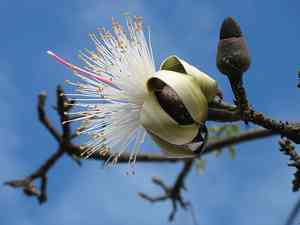
Originating from Mexico and sections of Central America, shaving Brush Tree is recognized for its striking, brush-like flowers. For effective propagation, semi-hardwood cuttings prove most successful. These ought to be harvested from robust, mature stems and treated with a rooting compound to stimulate development. Rapidly draining substrate is vital to avert decay. After cuttings are potted, steady hydration and warmth will assist in root formation without waterlogging the medium, as shaving Brush Tree is susceptible to excessive watering. Diffused illumination supports initial growth until roots are firmly established, at which point more direct sunlight is advantageous.
What Is the Best Time To Propagate Shaving Brush Tree?
Propagation Type
Cutting
Propagation Season
Autumn,Winter
What Tools Are Used in Shaving Brush Tree Propagation?
Sharp Pruning Shears
These are vital for making clean cuts from shaving Brush Tree to avoid tissue damage. Sharp shears promote rapid healing and lower the chance of infections at the cut site, which is crucial for successful rooting.
Rooting Hormone Powder
This product encourages root development from shaving Brush Tree cuttings. Dipping the cut end into the powder fosters quicker rooting and healthier initial root systems, boosting the overall propagation success rate.
Sterilizing Solution
Used to sanitize pruning shears and other tools before cutting shaving Brush Tree. This prevents disease transmission between plants, essential for maintaining the health of shaving Brush Tree during propagation.
Propagation Tray
A flat tray with drainage holes, used for planting the freshly cut segments of shaving Brush Tree. It supports good air circulation and drainage, reducing the risk of root rot while offering a controlled environment for root growth.
Perlite or Vermiculite
These materials can be mixed with soil in the propagation tray to enhance moisture retention and aeration. This blend creates an ideal rooting medium for shaving Brush Tree cuttings, improving water distribution and root development.
Clear Plastic Cover
Acts as a humidity dome over the propagation tray. By maintaining high humidity, the plastic cover helps prevent shaving Brush Tree cuttings from drying out before roots form, which is critical for successful propagation.
How to Propagate Shaving Brush Tree?
Propagation Type
Moderately Difficult
How to Care for Your Newly Propagated Shaving Brush Tree?
How to Care for Your Newly Propagated Shaving Brush Tree?
After propagation, keep the soil of shaving Brush Tree slightly moist and provide bright, indirect light. As the plant matures, gradually introduce it to more direct sunlight. Fertilize monthly during the growing season with a balanced, slow-release fertilizer designed for cacti and succulents. Regularly check for pests and diseases, ensuring good air circulation around the plant to prevent problems. Repot shaving Brush Tree into larger containers as needed.
Common Mistakes to Avoid When Propagating Shaving Brush Tree
Overwatering
Excessive watering can lead to root rot, which is harmful to shaving Brush Tree's well-being. This species does not tolerate too much moisture around its roots.
Deep planting
Planting shaving Brush Tree cuttings or seeds too deeply can result in poor germination and rooting rates, as this species often needs light to sprout and prefers shallow planting.
Neglecting hygiene
Not using sanitized tools or containers can introduce pathogens to shaving Brush Tree, causing infections that can hinder growth or kill young plants.
Incorrect soil mix
Using a soil blend that doesn't drain well can cause water to accumulate around shaving Brush Tree's roots, making it more vulnerable to rotting.
Overlooking pest control
Failing to monitor and manage pests can lead to infestations that weaken or destroy shaving Brush Tree, especially during the delicate propagation stages.
Tips For Propagating Shaving Brush Tree
Adequate drainage
Ensure the use of a well-draining soil mix to prevent water accumulation around shaving Brush Tree's roots, thereby reducing the risk of root rot.
Shallow planting
Plant shaving Brush Tree cuttings or seeds superficially to encourage better germination rates and root development, providing the right balance of air and moisture.
Sterile equipment
Always use sanitized propagation tools and containers to minimize the risk of disease and infection in shaving Brush Tree.
Monitor watering
Carefully observe the watering schedule, allowing the soil to dry out slightly between waterings to accommodate shaving Brush Tree's preference for drier conditions.
Pest inspections
Regularly inspect shaving Brush Tree for pests and address infestations promptly to prevent damage to the young plants during propagation.



