How to Propagate Chinese quince?
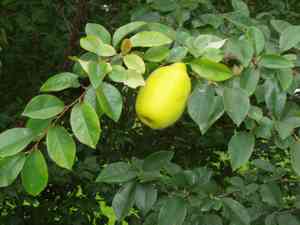
The most effective way to multiply Chinese quince is through cuttings, providing a dependable technique for cultivators to increase their stock. To improve the likelihood of success, obtain semi-hardwood sections from robust stems, making sure each piece contains multiple leaf nodes. Apply rooting compound to the severed ends to encourage root formation, then place them into a potting blend that drains efficiently. Sustaining adequate moisture and warmth fosters root development; shield from direct sun and keep the substrate uniformly damp until the root system is firmly established.
What Is the Best Time To Propagate Chinese Quince?
Propagation Type
Cutting
Propagation Season
Autumn,Winter
What Tools Are Used in Chinese Quince Propagation?
Sharp Pruning Shears
These are vital for making clean, precise cuts when taking chinese quince cuttings. The sharp blades ensure minimal harm to the parent plant and create a healthy cutting for propagation. Clean cuts aid in faster healing for both the cutting and the parent plant, reducing disease risk.
Rooting Hormone
This encourages root growth in chinese quince cuttings. Applying a rooting hormone to the cut end of a cutting boosts rooting success by stimulating root development, which is crucial for a new plant's establishment. This is especially beneficial for hardwood cuttings like those of chinese quince, which can be harder to root.
Sterilized Potting Mix
Using a sterile, well-draining potting mix offers a disease-free environment for chinese quince cuttings to root. The mix should be free of pathogens, which helps prevent root rot and other soil-borne diseases during the vulnerable stages of root development.
Propagator with Humidity Control
This tool helps maintain ideal humidity and temperature conditions for chinese quince cuttings. Such controlled conditions are essential to prevent the cutting from drying out before it can establish roots. The propagator also shields cuttings from external harsh weather, pests, and diseases.
Heat Mat
Placing a heat mat under the propagator can improve rooting success of chinese quince by ensuring consistent soil temperature, especially critical during colder months. Warmth is an important factor for promoting root growth and increasing the metabolic rate of the cuttings for faster establishment.
How to Propagate Chinese Quince?
Propagation Type
Moderately Difficult
How to Care for Your Newly Propagated Chinese Quince?
How to Care for Your Newly Propagated Chinese Quince?
After successful propagation, gradually introduce chinese quince to the outdoor environment if they were propagated indoors. Maintain consistent watering, avoiding soggy soil. Protect from extreme temperatures and wind. As the plant matures, provide a balanced fertilizer during the growing season and prune as necessary to encourage a strong framework and remove any dead or diseased wood.
Common Mistakes to Avoid When Propagating Chinese Quince
Overwatering cuttings
Excessive watering can cause root rot in chinese quince's cuttings, hindering their ability to develop a healthy root system.
Too much sun exposure
While chinese quince thrives in sunlight, cuttings or young plants can suffer from scorching if exposed to intense sun, impeding growth.
Using unsterilized tools
Unclean tools can introduce pathogens to chinese quince, particularly when taking cuttings, potentially leading to infections.
Ignoring soil type
Chinese quince requires well-drained soil to thrive; using the wrong soil mix can impede rooting and overall health.
Incorrect cutting selection
Choosing weak or diseased stems can result in poor or no rooting, impairing chinese quince's propagation success.
Tips For Propagating Chinese Quince
Moderate watering
Ensure a balanced moisture level for chinese quince's cuttings to promote root development without causing rot.
Filtered light
Provide chinese quince with bright, but indirect light to protect young plants and cuttings from intense sunlight.
Sterilize equipment
Use sterilized pruning tools to take cuttings from chinese quince to minimize the risk of disease transmission.
Well-draining soil
Use a well-draining soil mixture for chinese quince to promote healthy root growth and prevent waterlogging.
Healthy cutting selection
Select vigorous and disease-free stems from chinese quince for cuttings to enhance the likelihood of successful propagation.



