How to Propagate Pomegranate?
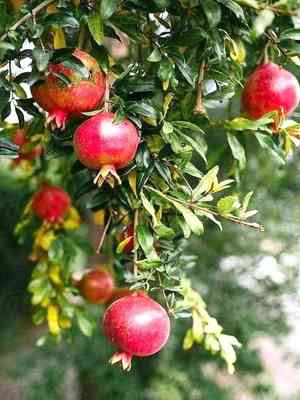
Pomegranate reproduction techniques include both grafting and air layering, best performed in the spring or winter seasons. This process presents a moderate challenge for novices, with successful outcomes indicated by the emergence of new shoots. Perseverance and suitable environmental factors are essential.
Optimal Time for Pomegranate Propagation
Propagation Method
Grafting
Propagation Period
Spring,Winter
Tools Utilized in Pomegranate Propagation
Grafting Knife
An essential tool for making precise incisions on pomegranate's rootstock and scion. Its sharp, slender blade ensures clean cuts that heal quickly and align perfectly, vital for the successful fusion of grafted parts. This specialized design minimizes tissue damage, enhancing graft viability.
Pruning Shears
Used to prepare the scion and trim the rootstock of pomegranate prior to grafting. They provide a sharp, clean cut necessary for healthy grafting sites, reducing disease risk and promoting successful grafts. Durable, high-quality shears ensure accuracy and ease of use.
Grafting Tape
Secures the scion to the rootstock of pomegranate after the graft is made. The tape must be flexible and adhere well to the plant to maintain proper alignment of the grafted components. It allows for a snug fit without harming the plant, crucial for protecting the graft union from external elements and retaining moisture during healing.
Wound Sealer
Applied to cuts on pomegranate post-grafting to prevent infection and desiccation. It forms a barrier against pests and diseases while the graft union mends. Using a wound sealer promotes faster healing and increases the likelihood of a successful graft.
Grafting Wax
Sometimes employed in addition to or instead of grafting tape to seal the graft union of pomegranate. It offers a pliable covering that adapts to the developing graft, safeguarding it from moisture loss and harsh weather. This tool is particularly important for pomegranate's grafts, as it can accommodate the swelling of the graft site as tissues knit together.
Rubber Grafting Bands
Offer an alternative to grafting tape for holding the grafted parts of pomegranate together during healing. These bands apply gentle yet firm pressure, ensuring continuous contact without impeding the plant's natural growth. This tool is especially useful for pomegranate due to the thickness of its branches.
Post-Propagation Care for Pomegranate
How to Care for Your Newly Propagated Pomegranate?
Following grafting, position the pomegranate in a sheltered spot, protected from strong winds and direct sunlight, to minimize plant stress. Ensure regular watering to keep the soil moist, but not waterlogged, and provide a balanced fertilizer as per pomegranate's requirements. Monitor the graft site for healing and growth, gradually exposing the plant to more sunlight as it matures. Prune pomegranate as needed to encourage a robust framework for fruit production.
Common Errors to Avoid When Propagating Pomegranate
Overwatering cuttings
Excessive moisture can lead to root rot in pomegranate cuttings, impeding root development and potentially killing the plant.
Planting cuttings too deep
Inserting pomegranate cuttings excessively deep into the soil can result in oxygen deprivation, which is vital for new root formation.
Using unsterilized tools
Unsterilized pruning tools can introduce pathogens to pomegranate cuttings, increasing the risk of disease and poor growth.
Ignoring pest control
Neglecting pest management during the initial propagation stages can result in weakened pomegranate plants less likely to flourish.
Advice for Propagating Pomegranate
Use semi-hardwood cuttings
Semi-hardwood cuttings from pomegranate exhibit a higher success rate, as their partially matured wood roots well yet remains flexible.
Maintain humidity
Keeping the air around pomegranate cuttings humid helps prevent moisture loss through leaves, crucial for successful rooting.
Soft tip removal
Removing the soft tip of pomegranate cuttings promotes root growth over foliage growth, directing the plant's energy towards establishing a strong root system.
Adequate drainage
Ensuring the propagation medium for pomegranate has proper drainage is critical to preventing waterlogging and associated root diseases.



