How to Propagate Common pear?
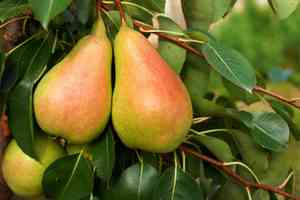
Pyrus communis is most effectively propagated in the Spring and Winter periods, primarily utilizing Grafting and Layering techniques. This propagation can be difficult; indicators of success are fresh shoots and foliage emergence. Guarantee appropriate post-propagation care for the best outcomes.
Optimal Period for Propagating Common Pear
Propagation Method
Grafting
Propagation Period
Spring,Winter
Tools Utilized in Common Pear Propagation
Grafting Knife
A sharp, specialized grafting knife is crucial for making precise incisions on the scion and rootstock of common pear. Accurate cuts are necessary to ensure the close contact of vascular tissues, which is vital for successful grafting. The knife's perfectly honed blade minimizes damage and maximizes the potential for successful cambial alignment and union.
Grafting Tape
This flexible, stretchable tape is used to firmly secure the grafted components together. It provides essential pressure to hold the scion in place while stabilizing the graft union on common pear during the healing process. The tape typically degrades over time, eliminating the need for removal once the graft has taken.
Pruning Shears
Pruning shears are employed to prepare the rootstock for grafting. They must be capable of making smooth, clean cuts on common pear without crushing or tearing the tissue, which could impede grafting success. Proper sanitation of the shears is also critical to prevent disease transfer during the cutting process.
Rubber Grafting Bands
These bands are specifically designed for holding grafts together without harming the plant tissues of common pear. They offer an adjustable level of tension that can be adapted as the grafted plant grows, ensuring a tight union without girdling the stems.
Wax or Grafting Sealant
After the scion and rootstock of common pear are joined and taped, applying wax or a grafting sealant can help prevent desiccation at the cut sites, protect against pathogens, and maintain a more stable environment for the graft union to heal.
Healing Bench or Controlled Environment Chamber
Providing common pear with a controlled environment, such as a healing bench or chamber with regulated temperature and humidity, can encourage the graft union to heal successfully. This tool ensures a high-survival rate by providing optimal conditions for common pear during the critical healing period following grafting.
Post-Propagation Care for Your Common Pear
Post-Propagation Care for Your Common Pear
Following propagation, ensure the 'common pear' is planted in well-drained, fertile soil with ample sun exposure. Water consistently to keep the soil moist, but not waterlogged. Provide support for the young tree to protect it from wind damage. Prune to encourage a robust framework and remove any suckers or regrowth from the rootstock. Fertilize annually with a balanced fertilizer, adhering to local extension service recommendations.
Common Errors to Avoid When Propagating Common Pear
Ignoring rootstock compatibility
Using incompatible rootstock can lead to poor grafting results and may cause the grafted section to fail due to the lack of a symbiotic bond. Common pear has specific compatibility requirements.
Improper sanitation
Failing to sterilize cutting tools may introduce diseases to common pear, hindering growth or killing the propagated plants.
Incorrect cutting method
Making improper cuts can damage buds and cambium, which are essential for successful propagation of common pear. Cuts should provide a clean surface for grafting or rooting.
Neglecting aftercare
Overlooking the need for proper aftercare, such as maintaining moisture levels and providing shade, can result in poor establishment or death of common pear cuttings or grafts.
Choosing weak scions or cuttings
Selecting unhealthy or weak scions for grafting or softwood/hardwood cuttings that are not in the best condition may reduce the likelihood of successful propagation for common pear.
Advice for Propagating Common Pear
Selecting appropriate rootstock
Choose a rootstock that is disease resistant and well-suited for the climate to ensure a better survival rate and overall health for common pear.
Ensuring clean cuts
Use sharp, sterilized tools to make precise cuts for grafting or rooting, which will help in the production of a strong union for common pear.
Adequate aftercare
Provide consistent moisture and protect grafts or cuttings from excessive sunlight to enhance the chances of successful propagation of common pear.
Use of rooting hormones
Applying rooting hormones to the cuttings can promote better root development, improving the overall success rate of propagation in common pear.
Selecting vigorous scions
Choose healthy, disease-free scions with good vegetative vigor to maximize the success of grafts in common pear.



