How to Propagate Laurel oak?
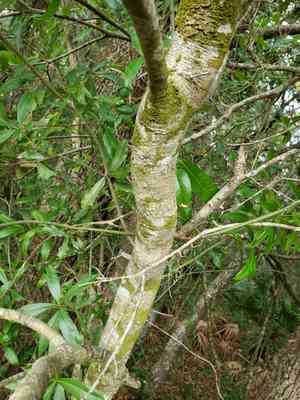
Quercus laurifolia generally flourishes in soil that drains efficiently and can be successfully multiplied through cutting techniques. Begin with semi-woody cuttings harvested from robust limbs, making sure several leaves remain attached to facilitate development. Employ a rooting stimulant to boost root formation and embed the cuttings in a blend of peat and perlite to supply the required air circulation and moisture retention. Maintaining consistently damp soil and offering a steady atmosphere will assist in the prosperous growth of new specimens.
When Is the Best Time to Propagate Laurel Oak?
Propagation Method
Cutting
Propagation Period
Autumn,Winter
What Tools Are Used for Laurel Oak Propagation?
Sharp Pruning Shears
These are vital for making clean cuts from the parent laurel oak plant without harming the tissues. Clean, sharp cuts improve the likelihood of successful rooting by preventing disease and decay at the cut site.
Rooting Hormone
This chemical encourages root growth when applied to the base of the cuttings. It significantly boosts the chance of successful root formation in laurel oak cuttings, which can be difficult to root naturally. The hormone stimulates quicker and more consistent root development, increasing the overall propagation success rate.
Sterile Potting Mix
A sterile potting mix is necessary to ensure that laurel oak cuttings are placed in a disease-free environment, thereby minimizing the risk of fungal or bacterial infections that could compromise root development. This medium should be lightly moistened to provide hydration without waterlogging the cuttings.
Humidity Dome or Plastic Bag
Maintaining high humidity around laurel oak cuttings is crucial for their survival until they can develop roots and independently absorb water. A humidity dome or a simple clear plastic bag over the potting tray can create a favorable microenvironment by trapping moisture and reducing water loss through transpiration.
Heat Mat (Optional)
For propagating laurel oak in cooler climates or seasons, a heat mat can be used to maintain an optimal root-zone temperature, encouraging faster root growth. This tool is particularly beneficial when ambient temperatures are not ideal for propagation.
How to Propagate Laurel Oak?
Propagation Difficulty
Moderately Difficult
How to Care for Your Newly Propagated Laurel Oak?
How to Care for Your Newly Propagated Laurel Oak?
Once rooted, gradually acclimate the young laurel oak plants to less humid conditions before transplanting them outdoors. Choose a planting location with well-drained soil and partial to full sun exposure. Regular watering is crucial in their first year, decreasing as they establish and adapt to natural rainfall. Annual mulching will help retain soil moisture and suppress weeds. Monitor for pests and diseases, especially during the young phases of growth.
Common Mistakes to Avoid When Propagating Laurel Oak
Ignoring Rooting Requirements
Failing to provide the correct medium and conditions for root development could lead to poor root growth in laurel oak cuttings.
Overwatering
Excessive watering can cause rot in the cuttings or seedlings of laurel oak, hindering propagation success.
Neglecting Sanitation
Using unsterilized tools or containers can introduce pathogens, harming laurel oak cuttings or seedlings.
Tips For Propagating Laurel Oak
Use Healthy Donor Trees
Selecting cuttings from vigorous, disease-free laurel oak increases the chances of successful propagation.
Provide Adequate Humidity
Maintaining a humid environment around laurel oak cuttings can enhance root formation without overwatering.
Sterilize Equipment
Ensuring that all propagation tools and media are sterile helps prevent diseases in laurel oak during the propagation process.



