How to Propagate Overcup oak?
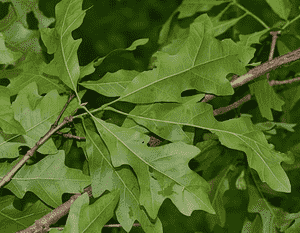
Overcup oak can be reproduced in fall and winter through dormant wood cuttings, air layering, or seed planting. The process presents a moderate challenge, with successful propagation indicated by the emergence of roots and new growth. To enhance the likelihood of success, confirm that cuttings possess a minimum of three nodes and eliminate any foliage or buds that could divert energy.
Optimal Period for Overcup Oak Propagation
Propagation Method
Cutting
Propagation Season
Autumn,Winter
Tools Required for Overcup Oak Propagation
Pruning Shears
Sharp, sterilized pruning shears are used to obtain clean cuttings from overcup oak. A precise cut minimizes damage to both the parent plant and the cutting, crucial for healthy root development.
Rooting Hormone
A rooting hormone, either powder or liquid, stimulates root growth on overcup oak cuttings. Applying this hormone increases the success rate of rooting, especially for woody species like overcup oak.
Propagation Tray
Propagation trays offer an organized space for placing multiple overcup oak cuttings. These trays typically feature cells or small pots that hold a suitable growing medium, essential for initial root formation.
Sterile Potting Mix
A sterile potting mix acts as a disease-free growing medium, reducing contamination risks and fostering a supportive environment for overcup oak cuttings to develop roots.
Aeration Tools
Tools such as a small fork or dibble are employed to gently aerate the potting mix around overcup oak cuttings. Proper aeration ensures adequate oxygen flow to the developing roots, vital for growth.
Misting Bottle
A misting bottle is utilized to maintain humidity around overcup oak cuttings. Keeping the foliage moist without saturating the soil helps prevent dehydration, critical for cutting survival before roots emerge.
Plastic Cover or Dome
A clear plastic cover or dome fits over the propagation tray, creating a humid microenvironment for overcup oak cuttings. This boosts humidity and lessens water loss from leaves, aiding successful propagation.
Heating Mat
A heating mat placed beneath the propagation tray provides consistent bottom heat, encouraging faster rooting for overcup oak cuttings. Temperature regulation is particularly important during colder months or in cool climates.
Caring for Your Newly Propagated Overcup Oak
Caring for Your Newly Propagated Overcup Oak
Once rooting is confirmed, gradually acclimate the new overcup oak plant to ambient humidity by opening the humidity dome or perforating the plastic cover. Continue to keep the soil moist and provide filtered sunlight. When the plant shows signs of growth, it can be moved to a larger pot or planted in the ground, in an area that suits overcup oak's natural preference for wet or moist soils, partial to full sun, and ample space for its large size.
Common Errors to Avoid When Propagating Overcup Oak
Overwatering
Excessive watering of overcup oak can lead to root rot, a condition detrimental to the plant's health. Too much moisture around the roots creates an environment conducive to fungal growth, which can ultimately kill overcup oak.
Improper soil mixture
Using a soil mixture that lacks adequate drainage can be problematic for overcup oak. It may cause water accumulation, leading to issues similar to overwatering, such as root rot and reduced oxygen availability to the roots.
Neglecting acorn viability
Planting acorns without assessing their viability can result in a low success rate. Viable acorns are crucial for successful propagation, thus overlooking this step may lead to wasted effort.
Planting acorns too deep
Overcup oak acorns should not be planted excessively deep as this can hinder germination. Excessive soil depth can make it more difficult for the shoot to break through the surface and for the roots to establish properly.
Ignoring stratification
Failing to stratify overcup oak acorns before planting is a common error. Overcup oak seeds typically require a period of cold stratification to break dormancy and initiate germination.
Tips For Propagating Overcup Oak
Adequate watering
Provide overcup oak with sufficient water during its initial growth phase, ensuring the soil remains moist but not waterlogged. This balance promotes healthy root development without risking root diseases.
Use well-draining soil
Select or prepare a well-draining soil mix for overcup oak to encourage proper root aeration and prevent water retention that can lead to root rot.
Test acorn viability
Test the viability of overcup oak acorns by submerging them in water. Viable seeds will typically sink, while nonviable ones tend to float, thereby allowing the sowing of acorns with higher chances of germination.
Correct planting depth
Plant overcup oak acorns at the appropriate depth, usually no more than 2-3 times the diameter of the acorn, to facilitate proper emergence and root development.
Cold stratification
Implement a period of cold stratification for overcup oak acorns to mimic winter conditions and break seed dormancy. This can be achieved by storing the acorns in a refrigerator for several weeks before planting.



