How to Propagate Chestnut oak?
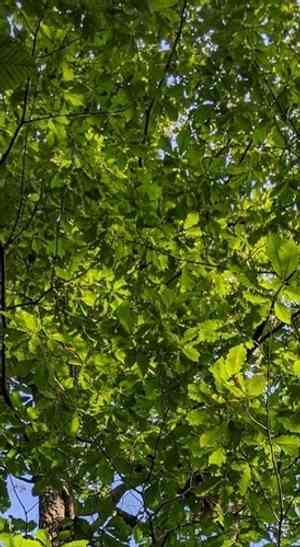
Quercus montana can be multiplied via dormant wood cuttings, air layering techniques, or by planting seeds during the fall or winter seasons. The level of challenge in propagation may differ, but indicators of successful propagation encompass robust root development and the appearance of fresh sprouts from the newly propagated specimen. When propagating dormant wood cuttings, it is crucial to keep them hydrated and situated in a substrate that drains effectively to prevent decay. For air layering, ensure the bark is stripped from the section where roots are intended to develop, and sustain adequate moisture around the rooting zone.
Optimal Time for Chestnut Oak Propagation
Propagation Method
Cutting
Propagation Period
Autumn,Winter
Tools for Chestnut Oak Propagation
Pruning Shears
These are utilized to obtain healthy cuttings from mature chestnut oak trees. Pruning shears must be sharp to ensure clean cuts without harming the plant tissue, which helps prevent infection and promotes rapid healing.
Rooting Hormone
This substance stimulates root formation in chestnut oak cuttings. By dipping the cut end of the cutting in rooting hormone, propagators enhance the probability of successful root initiation and development.
Sterilizing Agent
Tools and containers employed for propagating chestnut oak must be disinfected to prevent disease spread. A sterilizing agent, such as isopropyl alcohol or bleach solution, is used to clean cutting surfaces and containers.
Propagation Tray
A shallow tray with a transparent lid can offer a controlled environment for chestnut oak cuttings. It maintains high humidity and stable temperatures, which are vital for cuttings to develop roots.
Potting Mix
A well-draining, sterile potting mix is essential for chestnut oak cuttings to prevent root rot and other soil-borne diseases. A blend of peat, perlite, and vermiculite often provides the ideal texture and moisture retention for rooting.
Misting Bottle
Maintaining elevated humidity levels is crucial for chestnut oak cuttings to prevent desiccation. A misting bottle can be used to gently water the cuttings without disturbing the developing roots.
Heating Mat
Gentle bottom heat encourages root growth in chestnut oak cuttings. A heating mat set to a specific temperature range can provide consistent bottom warmth, improving root formation.
Grafting Tape
In certain instances, chestnut oak may be propagated through grafting. Grafting tape is used to securely hold the grafted materials together until the graft union is established, ensuring proper alignment and contact.
Caring for Your Newly Propagated Chestnut Oak
Caring for Your Newly Propagated Chestnut Oak
Once the chestnut oak cutting has developed roots, typically after several weeks, gradually introduce it to the outdoor environment. Begin by removing the plastic covering for increasing durations each day. After the plant is well-acclimated, transfer it to a larger pot or a permanent garden location where chestnut oak can receive full sun to partial shade and has well-drained soil. Water it deeply during dry periods, and apply mulch around the base to retain soil moisture and regulate temperature. Fertilize annually with a balanced slow-release fertilizer suitable for oaks.
Common Mistakes to Avoid When Propagating Chestnut Oak
Insufficient scarification
Scarification breaks seed dormancy by weakening the tough outer shell, but it can be easily overlooked. Without this, chestnut oak seeds may not germinate, resulting in a low propagation success rate due to impenetrable seed coats.
Overwatering cuttings
Excessive moisture can cause cuttings of chestnut oak to rot before they establish roots. Overwatering can also lead to fungal diseases, jeopardizing the health and growth of new plantings.
Planting seeds too deep
Sowing chestnut oak seeds at an incorrect depth can prevent seedlings from reaching the surface. Deep planting may lead to a lack of needed light for photosynthesis, affecting the seedling's vigor and survival chances.
Neglecting acorns source
Using acorns from different species for propagating chestnut oak could lead to poor results, as they might not adapt to the same conditions or might not be true to the parent species characteristics.
Tips For Propagating Chestnut Oak
Correct scarification
Gently file or nick the outer shell of chestnut oak seeds before sowing to improve water absorption and encourage germination.
Proper watering techniques
Maintain a balance of moisture for chestnut oak cuttings by ensuring adequate drainage and monitoring soil dampness to prevent rot while providing enough water for root development.
Appropriate seed placement
Sow chestnut oak seeds just below the soil's surface to allow for optimal light exposure and air circulation, crucial for successful germination and seedling growth.
Use local acorns
Whenever possible, collect acorns from local chestnut oak trees to increase the likelihood of the seeds being adapted to the local climate and soil conditions.



