How to Propagate Rhubarb?
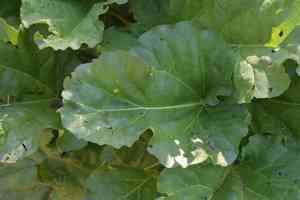
Rhubarb is effectively multiplied by means of division, wherein established specimens are separated into smaller portions. This technique entails meticulously splitting the root mass to guarantee that every segment possesses a viable growth bud. Following separation, swiftly re-embed the sections in fertile, adequately draining earth, making certain the crowns rest slightly above the ground level. Consistent irrigation will aid in the establishment of the new plants. This strategy fosters robust development and sustains the vitality of rhubarb.
Optimal Period for Rhubarb Propagation
Propagation Method
Division
Propagation Season
Spring,Autumn
Tools Utilized in Rhubarb Propagation
Sharp Spade or Garden Knife
This implement is crucial for cutting through the earth and cleanly separating rhubarb's root clumps. A keen edge minimizes root damage, boosting the plant's post-transplantation survival. It's especially useful for precise cuts, vital for maintaining the health of rhubarb's extensive root system during division.
Garden Fork
Employed to loosen the soil around rhubarb before lifting it for division. This tool aids in gently raising the plant with minimal root disturbance. The tines of the garden fork are perfect for aerating the soil without severing too many roots, facilitating a healthier division process.
Pruning Shears
After excavating rhubarb, pruning shears are necessary to trim any excess or dead foliage and roots. This not only helps reduce transplant shock by decreasing the leaf surface area the roots must support but also encourages healthier new growth after division.
Watering Can with a Fine Rose
Following the replanting of divided rhubarb segments, gentle watering is essential. The fine rose attachment on the watering can helps deliver a soft, even sprinkle of water, which doesn't disturb the newly planted divisions. Adequate watering is crucial for re-establishment and helps prevent plant stress.
Rooting Hormone Powder or Gel (optional)
While not strictly required, applying a rooting hormone to the cut root sections can accelerate root development and improve the overall propagation success rate. This specialized aid promotes the rapid establishment of rhubarb, fostering stronger root growth from the start.
How to Propagate Rhubarb?
Propagation Type
Easy
Caring for Your Newly Propagated Rhubarb
Caring for Your Newly Propagated Rhubarb
After propagating rhubarb, ensure consistent watering, especially during dry spells, to aid root system establishment. Maintain a mulch layer to retain soil moisture and suppress weeds. In the initial year post-propagation, limit harvesting to allow the plant to strengthen and settle. Fertilize annually with a balanced, all-purpose fertilizer to encourage vigorous growth and healthy yields.
Common Errors to Avoid When Propagating Rhubarb
Excessive watering during division
Overwatering rhubarb after root division can lead to root rot. Saturated soil restricts oxygen, causing roots to suffocate and decay, hindering the plant's ability to establish and grow.
Planting divisions too deep
Planting rhubarb root divisions excessively deep can bury the crown, potentially causing rot. This placement discourages normal growth and delays or prevents shoots from emerging.
Utilizing diseased or weak divisions
Using diseased or weak divisions for propagation results in poor growth or failure to thrive. Infected material can spread disease to new plants, diminishing overall health and productivity.
Tips For Propagating Rhubarb
Select healthy root sections
Choose robust and disease-free root sections when dividing rhubarb. Healthy roots establish faster and produce more vigorous plants, ensuring successful propagation.
Proper soil preparation
Prepare the soil with good drainage and sufficient organic matter before planting rhubarb. Well-prepared soil supports root development and overall plant health, increasing propagation success.
Correct planting depth
Ensure the rhubarb crown is just at or slightly above the soil surface when planting divisions. Correct depth promotes better shoot growth and reduces the risk of crown rot.



