How to Propagate Smooth sumac?
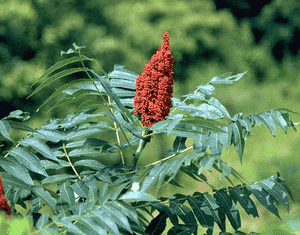
Rhus glabra can be multiplied through dormant wood cuttings, air layering, and seed dispersal. The most suitable periods for propagation are fall and winter. The process of propagation is regarded as straightforward. Indicators of successful propagation involve the development of roots and fresh shoots. If required, essential advice for propagation includes applying a rooting stimulant for hardwood cuttings and ensuring the soil remains damp for seed sprouting.
Optimal Time for Smooth Sumac Propagation
Propagation Method
Cutting
Propagation Period
Autumn,Winter
Tools for Smooth Sumac Propagation
Pruning Shears
Sharp, sanitized pruning shears are essential for obtaining healthy smooth sumac cuttings. They must make clean cuts to prevent tissue damage, aiding in disease prevention and rapid healing.
Rooting Hormone
Rooting hormone helps stimulate root development in smooth sumac cuttings. Dipping the cut end into the hormone greatly increases successful rooting, promoting faster establishment and better root structure.
Potting Mix
A sterile, well-draining potting mix offers the ideal medium for smooth sumac cuttings to root. The mix should be light and permeable for proper air and water flow, crucial for new root growth.
Propagation Tray or Container
Propagation trays or containers securely hold the potting mix and smooth sumac cuttings. They need drainage holes to prevent water accumulation and must be sturdy enough to support the plant as it grows.
Humidity Dome
Placing a humidity dome over smooth sumac cuttings creates a moist environment, preventing dehydration. This tool maintains a microclimate vital for leaf and stem moisture retention during early root development.
Heat Mat
A heat mat gently warms the soil, encouraging smooth sumac root growth. Consistent bottom heat is especially beneficial for rooting, mimicking the warm soil conditions smooth sumac cuttings would experience naturally during the growing season.
Misting Bottle
Regular misting with a bottle keeps smooth sumac cuttings hydrated and maintains high humidity, crucial for preventing leaf drying before roots fully develop.
Labels and Markers
Labels and markers are used to identify smooth sumac cuttings and track their progress. Proper labeling ensures specific care needs are met, especially when propagating multiple varieties or species.
Caring for Newly Propagated Smooth Sumac
Caring for Newly Propagated Smooth Sumac
After propagation, smooth sumac needs attention for successful establishment and growth. Water regularly, especially in dry spells, letting the soil dry slightly between waterings. Mulch around the plant to retain moisture and control weeds. Position in full sun to partial shade, as smooth sumac adapts to various light levels. Pruning is usually unnecessary but can be done for shaping or size control. Monitor for pests or diseases, though smooth sumac is generally hardy and resistant.
Common Errors to Avoid When Propagating Smooth Sumac
Overwatering
Excessive watering can cause root rot, particularly problematic for smooth sumac which prefers drier conditions. Too much moisture hinders proper root development and increases fungal disease risk.
Planting too deep
Planting seeds or cuttings too deeply can prevent smooth sumac from emerging correctly. This can suffocate the plant and reduce the likelihood of successful propagation.
Ignoring root suckers
Overlooking the potential of root suckers for propagation is a missed chance. Smooth sumac readily spreads via root suckers, and neglecting this method can decrease propagation efficiency.
Excessive pruning
Over-pruning the parent plant can diminish its vitality and, consequently, the health of cuttings taken from it. Maintaining balance is important to ensure the parent plant remains robust.
Poor substrate choice
Selecting an unsuitable substrate for propagation can hinder smooth sumac's root development. Incorrect substrates may lack the necessary drainage or nutrients for optimal growth.
Tips for Propagating Smooth Sumac
Soil preparation
Preparing well-draining soil is vital for successful smooth sumac propagation. Ensuring the soil is loose and fertile supports healthy root growth without waterlogging.
Use of hormones
Applying rooting hormone to smooth sumac cuttings can significantly boost the chances of successful root formation, leading to more viable plants.
Adequate spacing
Providing sufficient space between propagules ensures each smooth sumac gets enough sunlight and air circulation, reducing competition and disease risk.
Monitoring for pests
Watching for pests, such as aphids and scale insects, is important as they can weaken or destroy young smooth sumac propagules.
Utilizing root suckers
Leveraging smooth sumac's natural tendency to produce root suckers can be an effective and low-effort propagation method, as these suckers can be separated and replanted.



