How to Propagate Skunk-bush sumac?
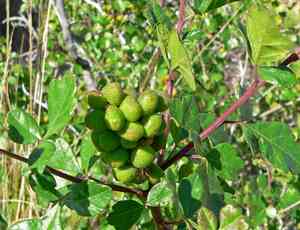
Rhus trilobata flourishes when reproduced via cuttings, allowing even inexperienced horticulturists to enlarge their collection. Start by choosing robust, semi-lignified stems. Confirm that each cutting possesses multiple nodes, as these are essential for root formation. Submerge the cutting's end in rooting compound to encourage faster root emergence and position them in a porous soil blend, ensuring elevated humidity and steady dampness. Careful management and perseverance will lead to successful cultivation.
Optimal Period for Skunk-bush Sumac Propagation
Propagation Method
Cutting
Propagation Season
Autumn,Winter
Tools Required for Skunk-bush Sumac Propagation
Sharp Pruning Shears
These are vital for making clean, precise cuts when taking cuttings from skunk-bush sumac. Sharp shears prevent crushing or damaging the cuttings, which is crucial for successful rooting. A clean cut also helps maintain plant health and reduces infection risk.
Rooting Hormone Powder
This aids the rooting process for skunk-bush sumac cuttings. Dipping the base of each cutting in rooting hormone powder before planting boosts root development, increases propagation success, and helps cuttings establish more quickly and vigorously.
Sterile Potting Mix
A sterile, well-draining potting mix is essential for successful rooting of skunk-bush sumac cuttings. It prevents mold and pathogen growth that could harm cuttings before root establishment. The mix should be light and airy for proper moisture retention and air circulation to developing roots.
Propagation Trays
These trays are used to organize and manage multiple skunk-bush sumac cuttings efficiently. They should have good drainage and sufficient depth to support initial root growth. Propagation trays also help maintain consistent moisture levels, which is key for root development.
How to Propagate Skunk-bush Sumac?
Propagation Type
Moderately Difficult
Post-Propagation Care for Skunk-bush Sumac
How to Care for Your Newly Propagated Skunk-bush Sumac?
After propagation, gradually introduce rooted skunk-bush sumac cuttings to outdoor conditions if they began indoors. Water them regularly, but avoid soggy soil, as skunk-bush sumac prefers good drainage. Apply a layer of mulch to help retain soil moisture and suppress weeds. Skunk-bush sumac thrives in full sun to partial shade. Monitor for pests and diseases, though it is generally robust and resistant to many common issues.
Common Errors to Avoid When Propagating Skunk-bush Sumac
Overwatering
Many gardeners assume skunk-bush sumac needs abundant water during propagation, which can lead to root rot. Excessive watering makes the soil too wet, reducing oxygen and causing root decay.
Deep planting
Skunk-bush sumac seeds or cuttings are sometimes planted too deep, hindering sprouting or growth due to insufficient light and excess soil moisture. This can significantly decrease germination and survival rates.
Ignoring pre-treatment
Neglecting seed pre-treatment (like cold stratification) is a common error. Skunk-bush sumac seeds typically require this process to break dormancy, improving germination effectiveness.
Tips for Propagating Skunk-bush Sumac
Soil preparation
Use well-draining soil enriched with organic matter to promote healthy root growth. This prevents waterlogging and supports robust root development for skunk-bush sumac.
Appropriate planting depth
Sow seeds or place cuttings at a shallow depth. This is crucial for skunk-bush sumac, ensuring adequate light reaches seeds and cuttings, supporting successful germination and rooting.
Pre-treat seeds
Implement a cold stratification process for seeds before planting. This mimics natural winter conditions, stimulating germination by breaking the typical seed dormancy in skunk-bush sumac.
Monitor moisture levels
Maintain moderate soil moisture. Skunk-bush sumac benefits from evenly moist soil but not waterlogged conditions, so water carefully and adjust frequency based on weather.



