How to Propagate Red flowering currant?
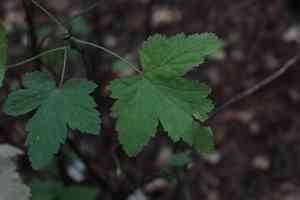
The most suitable period for propagating Red flowering currant is in the fall and winter seasons, utilizing techniques like cuttings and layering. This plant exhibits a moderate level of propagation challenge. Evidence of successful propagation includes the emergence of new shoots and robust root development. Maintaining appropriate moisture conditions is crucial for achieving the best outcomes.
Optimal Time for Red Flowering Currant Propagation
Propagation Method
Cutting
Propagation Period
Autumn,Winter
Tools Required for Red Flowering Currant Propagation
Sharp Pruning Shears
Crucial for making clean cuts from the parent red flowering currant plant, sharp pruning shears minimize damage and support healthy callus formation, vital for new root development in cutting propagation.
Rooting Hormone
This substance encourages root growth in red flowering currant cuttings. Applying rooting hormone to the cut end facilitates rapid root formation, boosting propagation success rates.
Sterile Potting Mix
A sterile potting mix offers a disease-free environment for red flowering currant cuttings to establish roots, reducing the risk of pathogens that could jeopardize the cutting's viability.
Propagation Trays or Pots
These containers hold the sterile potting mix and provide a stable setting for red flowering currant cuttings, allowing for proper spacing and air circulation, which promotes root growth and supports early plant development.
Plastic Covers or Bags
Creating a humid microclimate around red flowering currant cuttings is beneficial for preventing excessive moisture loss. Covers or bags trap humidity around the propagation medium, ensuring cuttings stay hydrated while rooting.
Misting Bottle
Regular misting maintains the necessary humidity levels around red flowering currant cuttings. Misting bottles deliver a fine spray that hydrates the cuttings' leaves without saturating the cut or soil, which aids root formation.
Heat Mat (optional)
For red flowering currant cuttings, a heat mat can provide warmth from below, which encourages faster root development. Maintaining the propagation medium at an optimal temperature mimics ideal growing conditions for root initiation.
Post-Propagation Care for Your Red Flowering Currant
Post-Propagation Care for Your Red Flowering Currant
Following successful root development, acclimate the red flowering currant cuttings by gradually opening the plastic bag or ventilating the propagation chamber over several days. Once acclimated, the new red flowering currant plants should be moved to individual pots with standard potting soil and slowly introduced to outdoor conditions if desired. Adjust regular watering based on the soil's moisture level, allowing it to dry slightly between waterings. Fertilize sparingly with a balanced fertilizer during the growing season and prune as needed to encourage bushiness and remove any dead or diseased growth.
Common Errors to Avoid When Propagating Red Flowering Currant
Inadequate cutting selection
Choosing cuttings that are either too young or too woody can result in poor rooting and growth. It's essential to select cuttings of the correct maturity to maximize their chances of rooting.
Overwatering cuttings
Excessive moisture can cause cuttings to rot before they establish roots. Overwatering is detrimental, as roots require both water and air to develop properly.
Ignoring soil conditions
Not using a well-draining soil mix can impede root development. Red flowering currant's cuttings need a balance of moisture retention and drainage to thrive.
Neglecting humidity levels
Cuttings of red flowering currant often require a consistently high humidity environment to root successfully. Failing to provide such conditions can lead to desiccated cuttings that do not root.
Overuse of rooting hormone
Applying too much rooting hormone can harm the cutting rather than promote its growth. It's important to use the correct amount for red flowering currant.
Planting cuttings too deep
Inserting cuttings too deep into the soil can reduce their ability to obtain oxygen and encourage fungal growth. The correct depth is crucial for the development of healthy roots.
Tips For Propagating Red Flowering Currant
Correct cutting selection
Choose semi-hardwood cuttings that are neither too immature nor too mature. Selecting stems that have recently finished blooming often yields the best results.
Balanced watering regimen
Provide sufficient water to keep the soil consistently moist, but not waterlogged. Allowing the surface to dry slightly between waterings can encourage strong root growth.
Soil mix optimization
Create or use a well-draining soil mix that retains some moisture yet allows excess water to escape. A mixture of peat, perlite, and sand often works well for red flowering currant.
Humidity control
Maintain a high humidity environment for the cuttings of red flowering currant by using a clear plastic cover while ensuring some air circulation to prevent mold growth.
Appropriate use of rooting hormone
Dip the bottom tip of the cuttings in rooting hormone powder or solution, but shake off any excess before planting. This promotes healthy root development without overwhelming the cutting.
Proper depth of planting
Plant cuttings in the growth medium at the appropriate depth to ensure they stand upright and have sufficient contact with the soil, usually 1-2 inches deep.



