How to Propagate Redvein dock?
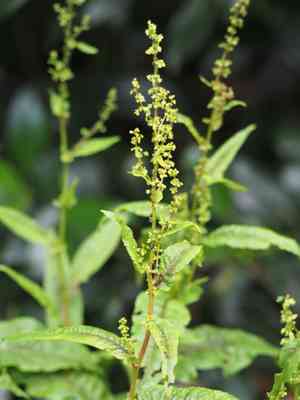
Redvein dock is frequently multiplied by seeding, with springtime representing the perfect period for this technique. It presents a moderate propagation challenge, indicating successful outcomes via initial germination. Ensure adequate hydration for superior propagation achievements.
Optimal Time for Redvein Dock Propagation
Propagation Method
Seeding
Propagation Period
Spring
Essential Tools for Redvein Dock Propagation
Seed Trays
Provides an organized area for planting redvein dock's seeds, facilitating even spacing and sufficient room for initial development. These trays assist in maintaining ideal moisture and temperature, vital for redvein dock's germination.
Potting Mix
A premium, well-draining potting medium ensures the correct air-to-water ratio for redvein dock's roots. It supplies crucial nutrients and supports young seedlings once they emerge.
Misting Bottle
Gently waters redvein dock's seeds and seedlings without disturbing the soil or causing erosion. The fine spray emulates natural rain, providing hydration without overwhelming delicate new growth.
Plant Labels
Aids in marking and monitoring the progress of redvein dock's propagation. This is crucial for keeping a record of planting dates and for identifying seedlings as they grow, assisting in proper care and tracking.
Propagation Heat Mat
Accelerates germination for redvein dock by supplying a steady heat source, especially beneficial in cooler climates or during colder times of the year when soil temperature might be below optimal germination levels.
Grow Lights
Ensures redvein dock seedlings receive adequate light, essential for photosynthesis and growth, particularly when natural light is insufficient. These lights can be adjusted in height as the seedlings develop.
Redvein Dock Propagation Guide
Propagation Method
Seeding
Difficulty Level
Simple
Post-Propagation Care for Redvein Dock
Post-Propagation Care for Redvein Dock
Redvein dock requires minimal attention once established. It thrives in partial to full sun and moist, well-drained soil. Water redvein dock when the top inch of soil feels dry. Mulching helps retain soil moisture and control weeds. Fertilize lightly in spring if desired, and remove any flower stalks to limit self-seeding. Redvein dock can endure some drought, but consistent moisture promotes the most vigorous growth. Monitor for pests and diseases and address them as needed.
Common Errors to Avoid When Propagating Redvein Dock
Overwatering
Excessive watering can lead to root rot and fungal issues, which can be harmful to redvein dock's health. This plant needs well-draining soil, and waterlogged conditions can hinder proper root development.
Incorrect soil mix
Using a soil mix that lacks proper drainage or sufficient fertility can impede the growth and propagation of redvein dock. Poor soil conditions can result in weak plants more prone to pests and diseases.
Neglecting light requirements
Redvein dock needs a balance of sunlight and shade. Too much direct sun can cause leaf burn, while insufficient light can lead to weak, leggy growth. Failing to provide the right lighting conditions can impact the plant's overall vigor.
Planting depth
Planting redvein dock's seeds or cuttings too deeply can prevent germination or rooting. Conversely, planting too shallowly may expose seedlings or roots to air, causing them to dry out and reducing propagation success.
Tips for Propagating Redvein Dock
Adequate moisture balance
Maintain consistent soil moisture levels without overwatering to support healthy root development for redvein dock.
Suitable soil mix
Utilize a fertile, well-draining soil mix to provide redvein dock with an ideal environment for root establishment and growth.
Optimal light conditions
Position redvein dock where it receives the right balance of sunlight and shade, promoting healthy foliage and robust growth.
Appropriate planting depth
Sow seeds or plant cuttings of redvein dock at the correct depth to ensure successful germination and rooting. Follow recommended depth guidelines for this species.



