How to Propagate Coastal plain willow?
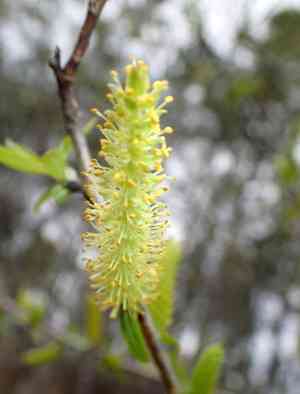
Perfect for those desiring swift development, coastal plain willow flourishes when reproduced via cuttings. To achieve the best outcomes, employ youthful, robust stems, making sure they are cut diagonally with a disinfected instrument to enlarge the area for root formation. Positioning them in a well-ventilated rooting substrate, with steady hydration, is essential for effective rooting. Although perseverance is vital, diligent attention yields robust new growth.
What Is the Best Time To Propagate Coastal Plain Willow?
Propagation Type
Cutting
Propagation Season
Autumn,Winter
What Tools Are Used in Coastal Plain Willow Propagation?
Sharp Pruning Shears
Crucial for obtaining precise coastal plain willow cuttings, sharp pruning shears enable clean cuts that minimize harm to the parent plant and boost the likelihood of successful rooting. Clean cuts help prevent infection and promote faster healing.
Rooting Hormone
Enhances the probability of successful root formation when applied to the severed ends of coastal plain willow cuttings. This aid encourages quicker root growth, leading to a higher propagation success rate.
Sterilizing Agent (e.g., Isopropyl Alcohol or Bleach Solution)
Utilized for sanitizing pruning shears before and after taking coastal plain willow cuttings. This prevents the transmission of diseases between different plants or even various parts of the same plant, ensuring healthy propagation.
Propagation Tray
Offers an organized and controlled setting ideal for rooting coastal plain willow cuttings. Trays assist in maintaining appropriate moisture levels and simplify the management of numerous cuttings in a confined area.
Misting Bottle
Essential for keeping coastal plain willow cuttings sufficiently hydrated during the rooting process without excessive watering, which could lead to rot. Misting provides necessary moisture for cuttings to establish roots, especially in controlled environments like greenhouses or indoors.
Peat Pots or Biodegradable Containers
Suitable for planting rooted coastal plain willow cuttings, these pots reduce root disturbance during transplanting. Biodegradable options further lessen transplant shock, allowing roots to grow through the pot material into the surrounding soil.
How to Propagate Coastal Plain Willow?
Propagation Type
Moderately Difficult
How to Care for Your Newly Propagated Coastal Plain Willow?
How to Care for Your Newly Propagated Coastal Plain Willow?
Once coastal plain willow cuttings have established roots, gradually introduce them to normal humidity by removing the plastic cover for increasing periods over a week. Transplant them into individual pots or a prepared garden spot with rich, well-draining soil. Water the newly planted coastal plain willow regularly to keep the soil moist, particularly during initial establishment. Position the plant where it will receive full sun to partial shade, and shield it from strong winds. As coastal plain willow is generally hardy, ongoing care involves annual pruning to maintain shape and encourage healthy growth.
Common Mistakes to Avoid When Propagating Coastal Plain Willow
Overwatering
Excessive moisture can cause root rot, leading to decay and potentially killing new coastal plain willow cuttings.
Ignoring Disease Control
Failing to use clean cutting tools or neglecting to check for pests and diseases can result in infected cuttings that do not root.
Using Mature Wood
Selecting older, hardened wood for cuttings often results in poor or unsuccessful rooting, as coastal plain willow propagates best from young, flexible shoots.
Planting Cuttings Too Deeply
Burying cuttings excessively deep can hinder oxygen flow to developing roots, stunting growth or killing the cutting.
Underestimating Sunlight Requirement
Not providing sufficient sunlight for coastal plain willow cuttings can prevent them from developing a strong root system and thriving.
Tips For Propagating Coastal Plain Willow
Use Softwood Cuttings
Choose young, softwood cuttings of coastal plain willow which root more easily than those taken from older growth.
Careful Water Management
Maintain consistent moisture without overwatering to support healthy root development without causing rot.
Sanitize Tools
Always use sterilized cutting tools to prevent the spread of disease to new coastal plain willow cuttings.
Correct Planting Depth
Plant cuttings to an appropriate depth to ensure proper rooting, typically no more than a few inches for coastal plain willow, depending on the size of the cutting.
Adequate Light Exposure
Place coastal plain willow cuttings in a location with ample sunlight to promote vigorous growth, while shielding from the harshest midday sun.



