How to Propagate Mealycup sage?
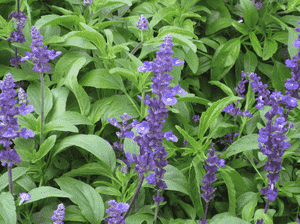
The optimal period for propagating mealycup sage is spring, with seeding being the favored technique. It presents a moderate challenge for propagation, and the emergence of robust, verdant sprouts signifies successful cultivation. Ensure consistent humidity and warmth for peak development.
Optimal Time for Mealycup Sage Propagation
Propagation Method
Sowing
Propagation Period
Spring
Tools Utilized in Mealycup Sage Propagation
Seed Trays or Flats
These shallow containers offer an ideal setting for planting mealycup sage's seeds. They facilitate uniform spacing and ample room for initial development. Employing seed trays aids in sustaining consistent moisture levels and temperature, both vital for successful mealycup sage germination.
Sterile Seed-Starting Mix
A fine-textured, well-draining medium, devoid of pathogens, is crucial for mealycup sage's seed germination. Utilizing a sterile mix lowers the risk of disease, which could otherwise jeopardize seedling health.
Misting Bottle
During germination, mealycup sage needs consistent moisture without becoming waterlogged. A misting bottle enables gentle watering that will not disturb the seeds or young seedlings, ensuring they remain adequately hydrated.
Plastic Dome or Wrap
This item helps to maintain humidity and warmth around mealycup sage's seeds, creating a mini-greenhouse effect. It promotes higher germination rates by providing an optimal environment. The cover is removed once seedlings emerge to prevent mold growth.
Grow Lights or Sunny Window
Mealycup sage seeds require abundant light after germination. Grow lights or a sunny window fulfill this need by supplying the necessary light spectrum and intensity that support healthy growth and prevent legginess in the seedlings.
Heat Mat
For areas with colder climates or if sowing occurs in cooler seasons, a heat mat can provide consistent bottom warmth, encouraging quicker and more uniform germination of mealycup sage's seeds.
Dibber or Toothpick
A dibber or toothpick is useful for creating precise, shallow holes in the seed-starting mix for mealycup sage's seeds and for transplanting seedlings. It allows for accurate sowing, which is essential to avoid burying the seeds too deeply.
Tweezers
When handling tiny seeds like those of mealycup sage, tweezers can be invaluable for placing individual seeds into the soil mix without causing damage, ensuring they are sown at the proper depth for optimum growth.
How to Propagate Mealycup Sage?
Propagation Method
Sowing
Difficulty Level
Easy
Caring for Your Newly Propagated Mealycup Sage
Caring for Your Newly Propagated Mealycup Sage
Following propagation, mealycup sage should be positioned in a sunny spot as it prefers full sun to partial shade. Water the plant regularly but avoid overwateringâallow the soil to dry slightly between watering. Mealycup sage is relatively drought tolerant once established. Apply a balanced, slow-release fertilizer at the start of the growing season. Deadhead spent blooms to encourage more flowers. Shield mealycup sage from extreme cold, and apply mulch around the base to retain moisture and regulate soil temperature.
Common Errors to Avoid When Propagating Mealycup Sage
Excessive Watering
Too much water can lead to root rot in mealycup sage, which thrives in well-drained soil conditions. Overwatering reduces the oxygen available to the roots, causing them to decay.
Deep planting
Planting seeds or cuttings too deeply can hinder mealycup sage from sprouting or rooting effectively due to insufficient light exposure and potentially causing the stems to rot.
Ignoring soil type
Using the incorrect type of soil, such as heavy clay, can impede the drainage and aeration necessary for the healthy growth of mealycup sage.
Crowding
Planting mealycup sage cuttings or seeds too close together can result in insufficient air circulation, promoting fungal diseases and inhibiting robust growth.
Neglecting to harden off
Transferring mealycup sage from indoor propagation directly to outdoor without a period of acclimatization can result in shock, leading to stunted growth or plant death.
Advice for Propagating Mealycup Sage
Appropriate soil mixture
Utilize a well-draining soil mix, such as a combination of peat, perlite, and vermiculite, for the successful propagation of mealycup sage.
Seeding depth
Sow mealycup sage seeds on the soil surface and lightly cover with soil or vermiculite as they require light to germinate effectively.
Controlled watering
Water mealycup sage sparingly and ensure the propagation medium is moist but not waterlogged to prevent root rot while promoting adequate moisture for growth.
Spacing
Provide each mealycup sage cutting or seedling ample space to grow. Adequate spacing encourages air circulation, reducing the risk of disease while allowing for healthy development.
Gradual acclimatization
Introduce mealycup sage gradually to outdoor conditions over the course of a week or more to reduce transplant shock and improve survival rates.



