How to Propagate Autumn sage?
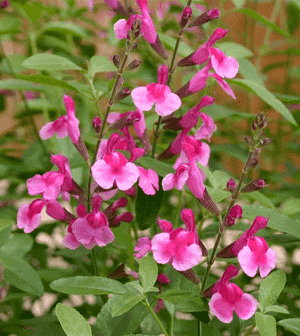
Autumn sage multiplies effectively via cuttings, preferably during the spring or summer seasons. This procedure is quite straightforward, with indicators of success encompassing fresh foliage emergence and robust stalks. Verify that the cuttings receive sufficient moisture and are placed in a growing medium that drains properly.
Optimal Time for Autumn Sage Propagation
Propagation Method
Cutting
Propagation Period
Spring, Summer
Tools Required for Autumn Sage Propagation
Sharp pruning shears
These are crucial for obtaining cuttings from autumn sage, ensuring a clean, precise cut to minimize harm and boost the likelihood of successful rooting. A clean cut helps prevent disease and promotes faster healing.
Rooting hormone
This aids in root development when propagating autumn sage via cuttings. Dipping the cutting's base in rooting hormone can stimulate quicker and more dependable root growth.
Sterile potting mix
A sterile, well-draining potting mix offers the perfect environment for autumn sage cuttings to establish roots. The mix's sterility helps ward off fungal and bacterial infections that can harm new cuttings.
Propagation trays or pots
These containers hold the sterile potting mix and provide a stable setting for autumn sage cuttings to develop roots. The tray's size and depth should accommodate the cuttings' length and allow for ample root growth.
Plastic domes or covers
These create a humid microclimate around autumn sage cuttings, which is beneficial for keeping the cuttings moist and encouraging root formation. Covers also help maintain consistent temperature conditions.
Heat mat (optional)
Especially useful for propagators in cooler climates, a heat mat can provide gentle bottom warmth to the propagation trays containing autumn sage, which can promote faster root development and improve overall propagation success.
Steps to Propagate Autumn Sage
Propagation Method
Cutting
Difficulty Level
Easy
Caring for Your Newly Propagated Autumn Sage
Caring for Your Newly Propagated Autumn Sage
Post-propagation, irrigate autumn sage regularly to keep the soil consistently moist but not waterlogged. Position the plant in a location with full sun to partial shade, and shield it from harsh conditions until it is established. Once established, it can endure drought. Fertilize lightly during the growing season, and prune to shape and encourage denser growth. Overwinter autumn sage in regions with colder climates to protect it from frost.
Common Errors to Avoid When Propagating Autumn Sage
Overwatering cuttings
Excess moisture can lead to decay, particularly in the delicate cuttings of autumn sage, which prefer well-drained soils.
Using dull cutting tools
Dull or dirty tools can crush or tear stems, causing damage and increasing the risk of disease in autumn sage cuttings.
Neglecting to remove lower leaves
Failing to remove the lower leaves before planting autumn sage cuttings can lead to rot and fungus when these leaves are buried in the soil.
Taking cuttings from weak plants
Weak or diseased plants will produce cuttings with a lower chance of surviving and thriving, impacting the overall success rate of propagating autumn sage.
Ignoring pest problems
Pests on parent plants or cuttings can severely impede the growth and health of autumn sage during propagation.
Advice for Propagating Autumn Sage
Sterilize tools
Sanitize cutting tools before taking cuttings to prevent disease transmission and ensure clean cuts that promote better rooting in autumn sage.
Choose healthy parent plants
Select robust and vigorous parent plants from which to take cuttings, as they are more likely to provide cuttings that will successfully propagate autumn sage.
Use rooting hormone
Applying a rooting hormone to the cut ends of autumn sage cuttings can enhance root development and increase the chances of successful propagation.
Provide proper humidity
Maintain a humid environment for autumn sage cuttings, as it helps to prevent water loss through transpiration and supports root formation.
Ensure adequate light
Provide bright, indirect light for autumn sage cuttings to promote growth without the risk of sun scorch, which can be detrimental to new cuttings.



