How to Propagate Woodland sage?
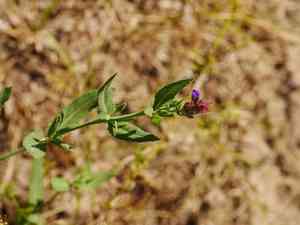
The most effective method for propagating Woodland sage involves planting its seeds in the springtime, a straightforward procedure. The appearance of young plants signifies successful propagation. This particular species does not necessitate any specialized advice concerning its propagation.
When Is the Optimal Time to Propagate Woodland Sage?
Propagation Method
Sowing Seeds
Propagation Period
Spring
What Equipment Is Utilized for Woodland Sage Propagation?
Seed Tray with Dome
Seed trays equipped with domes establish a microclimate that sustains consistent humidity, vital for the germination of woodland sage seeds. The transparent dome permits light entry while preserving moisture.
Sterile Seed Starting Mix
This blend minimizes the risk of fungal infections during woodland sage's initial growth stages. A sterile medium fosters robust root development and lessens the threat of pathogens.
Heat Mat
Delivers a steady, gentle warmth that encourages woodland sage germination. Consistent soil temperature is a key factor in maximizing germination rates.
Plant Labels
Used to identify woodland sage in propagation setups involving multiple species. Tracking propagation dates and species is essential for proper care and monitoring progress.
Watering Can with Fine Rose
The delicate spray from this watering can emulates natural rainfall, gently irrigating woodland sage seeds without disturbing the soil or causing erosion.
How to Propagate Woodland Sage?
Propagation Method
Sowing Seeds
Difficulty Level
Easy
How to Nurture Your Newly Propagated Woodland Sage?
How to Nurture Your Newly Propagated Woodland Sage?
Following propagation, woodland sage requires full sun to partial shade and soil that drains well. Regular watering is necessary, especially during dry spells, but avoid overwatering as woodland sage is drought-tolerant once established. Removing spent blooms can encourage more flowering. In late autumn or early spring, trim back the foliage to promote vigorous new growth. Divide the plants every few years in the spring to maintain vitality. Mulching can help retain moisture and suppress weeds.
Common Errors to Avoid When Propagating Woodland Sage
Excessive watering of cuttings
Too much moisture can lead to rot, particularly in the woody stems of woodland sage. This can kill young plants before they become established.
Using old or diseased plant material
Propagating from unhealthy specimens may result in poor growth or spread disease to new woodland sage plants.
Planting cuttings too deeply
Deep planting can cause woodland sage cuttings to rot before they root, as they require good air circulation at the soil surface.
Ignoring soil mix quality
Using substandard soil can hinder root development and drainage, stressing woodland sage cuttings and reducing propagation success.
Neglecting humidity levels
While woodland sage doesn't require a tropical environment, maintaining moderate humidity is crucial during the rooting phase.
Advice For Propagating Woodland Sage
Stem cutting selection
Choose healthy, non-flowering stems for cuttings to ensure viable growth and root development in woodland sage.
Rooting hormone application
Applying a rooting hormone to the cut end can stimulate root growth and increase the success rate of woodland sage cuttings.
Appropriate planting depth
Insert the cutting so the bottom one-third is in the planting mix, which provides stability and space for woodland sage roots to grow.
Optimal soil mix
Prepare a light and well-draining soil mix to promote healthy root growth and adequate moisture for woodland sage cuttings.
Humidity and ventilation balance
Cover cuttings with a plastic dome or bag to retain moisture, but provide ventilation to prevent mold and promote healthy growth in woodland sage.



