How to Propagate Common sage?
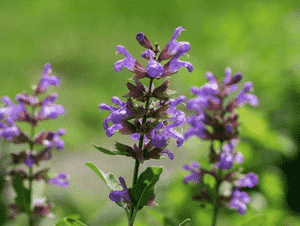
The most effective method for propagating common sage involves taking cuttings in either spring or summer. This process presents a moderate challenge, with the emergence of new foliage signaling successful rooting. Sustaining elevated humidity levels significantly assists in the robust establishment of these cuttings.
Optimal Period for Common Sage Propagation
Propagation Method
Cutting
Propagation Period
Spring, Summer
Essential Tools for Common Sage Propagation
Sharp Pruning Shears
Pruning shears are vital for obtaining clean cuts of common sage stem cuttings. A sharp blade ensures a precise incision that heals quickly and minimizes harm to the parent plant. Disinfected shears also prevent disease transmission during the cutting process.
Rooting Hormone Powder or Gel
Applying rooting hormone to the severed end of common sage stem cuttings promotes faster root development. This substance stimulates root growth, enhancing the likelihood of successful propagation.
Sterile Potting Mix
Utilizing a sterile potting mix helps avert fungal and bacterial infections that could kill common sage cuttings before they can root. A light, well-draining mix facilitates superior root growth and aeration.
Pots with Drainage Holes
Pots that offer adequate drainage are critical. They ensure that excess water can escape, preventing root rot and other water-related problems that might impact the health of common sage during the rooting phase.
Plastic Bags or Covers
Establishing a humid environment is advantageous for common sage cuttings as they develop roots. Plastic covers maintain high humidity around the cutting, which helps prevent desiccation until the plant can sustain itself.
Heating Mat (Optional)
While not strictly necessary, a heating mat can boost rooting success rates for common sage by providing consistent bottom heat, which encourages quicker root growth, especially in cooler conditions.
Watering Can with a Fine Rose
A watering can with a fine rose (sprinkler head) ensures gentle irrigation of common sage cuttings without dislodging them. This promotes consistent moisture levels in the rooting medium without causing soil erosion or cutting displacement.
How to Propagate Common Sage?
Propagation Type
Cutting
Difficulty Level
Easy
Caring for Your Newly Propagated Common Sage
Caring for Your Newly Propagated Common Sage
Once common sage has been successfully propagated and roots are established, a gradual acclimatization process should begin, moving the plants to their permanent location with full sun exposure. Consistent watering should be maintained, allowing the soil to dry out slightly between waterings, and care should be taken to avoid overwatering. These plants require well-draining soil to prevent root rot. Pruning common sage in the spring encourages bushier growth and prevents legginess. Fertilizer should be applied sparingly, as common sage is not a heavy feeder. With proper care, common sage should thrive and can be harvested for its aromatic leaves.
Common Mistakes to Avoid When Propagating Common Sage
Overwatering
Excessive water can lead to root rot, which is detrimental to common sage's health. Common sage requires well-draining soil and moderate moisture levels, especially when the cuttings are trying to root. High humidity can cause fungal issues and inhibit root growth.
Deep planting
Planting common sage's cuttings too deeply into the soil can restrict the oxygen supply to the emerging roots, making it tougher for common sage to establish itself. Ensuring that cuttings are planted shallowly is essential for successful root development.
Using non-sterile tools
Propagation with contaminated tools can introduce pathogens to the fresh cuts of common sage, which can lead to infections that inhibit growth or cause plant death. Sterility is paramount in propagation to ensure healthy growth of common sage.
Ignoring leaf health
Leaves that are yellowing or show signs of disease should not be used for propagation, as they are unlikely to produce healthy common sage plants. Only healthy, green growth should be used to increase the chances of successful propagation.
Inadequate light
Common sage requires sufficient light to root successfully, but too direct or too little light can either burn the delicate cuttings or not provide enough energy for rooting. A balance of indirect sunlight is ideal for common sage's propagation.
Tips For Propagating Common Sage
Use sharp, sterile tools
Ensuring tools are sharp and sterile before cutting helps prevent damage and disease, increasing the success rate of common sage propagation.
Select healthy stems
Choosing healthy, disease-free stems for cuttings gives common sage the best chance at rooting and developing into robust plants.
Proper soil mix
Using a well-draining soil mix helps prevent moisture-related issues, allowing common sage cuttings to develop roots without the risk of rotting.
Rooting hormone
Applying a rooting hormone to the cut end of common sage cuttings can encourage quicker and more prolific root growth, enhancing propagation success.
Maintain humidity
Creating a humid environment around the common sage cuttings, such as a plastic cover, can help retain moisture without overwatering and promote root development.



