How to Propagate Cotton lavender?
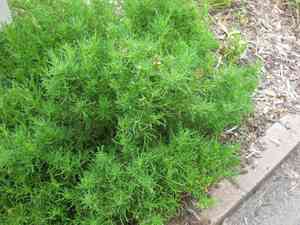
The favored method for multiplying cotton lavender involves utilizing stem sections, preferably during the spring or summer seasons. While not challenging, it is crucial to observe fresh development as a sign of successful rooting. Ensure the cuttings are in well-draining conditions and sustain average moisture levels.
Optimal Period for Cotton Lavender Propagation
Propagation Method
Cutting
Propagation Period
Spring, Summer
Tools Required for Cotton Lavender Propagation
Sharp Pruning Shears
Pruning shears are essential for taking clean, healthy cuttings from cotton lavender. Their sharp blades ensure a precise cut, minimizing infection risk and boosting rooting success. A clean cut also lessens damage to the parent plant, aiding its recovery and continued growth.
Rooting Hormone Powder or Gel
Rooting hormone assists in the rapid development of roots from cotton lavender cuttings. It contains synthetic auxins that mimic natural growth hormones, promoting root cell formation. Using rooting hormone enhances propagation success by fostering a robust root system.
Sterile Potting Mix
A sterile potting mix offers a disease-free environment for cotton lavender cuttings to root. It should be light and well-draining to support the growth of delicate new roots without retaining excessive moisture that could cause rot.
Small Pots or Propagation Trays
Small pots or trays are ideal for planting individual cotton lavender cuttings. They allow for easy monitoring of rooting progress and ensure that the delicate cuttings have ample space for root development without competition.
How to Propagate Cotton Lavender?
Propagation Method
Cutting
Difficulty Level
Moderately Difficult
Post-Propagation Care for Cotton Lavender
How to Care for Your Newly Propagated Cotton Lavender?
Caring for cotton lavender after propagation involves ensuring the plant receives full sun exposure and is in well-drained soil, as they are drought-tolerant and prefer these conditions. Post-propagation, water new plants regularly but allow the soil to dry out between waterings. Monitor for pests and diseases, though cotton lavender is generally resistant. Prune plants annually in early spring to maintain shape and encourage bushy growth. In colder climates, mulch around the plant's base in the fall to protect roots during winter. Avoid high-nitrogen fertilizers, as cotton lavender prefers low-fertility conditions.
Common Errors to Avoid When Propagating Cotton Lavender
Overwatering
Overwatering is a common error that can lead to root rot, as cotton lavender prefers dry conditions. Excessive moisture can also cause fungal diseases, impeding healthy root development.
Excessive soil compaction
Compacting the soil too much can reduce aeration and drainage, which are crucial for cotton lavender's root health. This can create a poor root environment that hinders growth or promotes disease.
Incorrect plant part selection
Using non-viable or diseased parts of cotton lavender for propagation will likely fail to root or grow properly, wasting time and effort.
Neglecting pest and disease control
Failing to monitor and manage pests and diseases can result in contaminated propagation material, compromising the success of new cotton lavender plants.
Tips For Propagating Cotton Lavender
Utilize well-draining soil
For successful propagation, cotton lavender requires well-drained soil. Using a sandy or gritty mix promotes root development without waterlogging.
Provide ample sunlight
Cotton lavender thrives in full sun. Ensure the propagation environment has abundant light to mimic its preferred natural conditions.
Regular pruning
Regular pruning stimulates new growth, which is vital for successful cuttings. Healthy, vigorous shoots have a higher rooting success rate.
Rooting hormone application
Applying a rooting hormone to the cuttings can stimulate root growth and increase the chances of successful propagation.



