How to Propagate Rock soapwort?
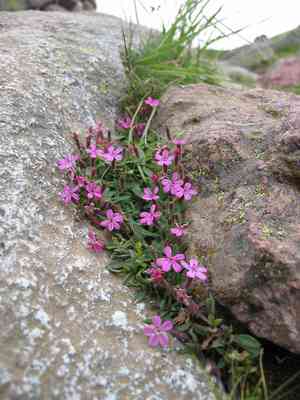
The most suitable period for propagating rock soapwort is during the spring and summer, primarily through the use of cuttings. This propagation process is quite straightforward, and successful rooting is indicated by robust root development. No further advice regarding propagation is necessary.
Optimal Time for Rock Soapwort Propagation
Propagation Method
Cutting
Propagation Period
Spring, Summer
Tools for Rock Soapwort Propagation
Sharp Pruning Shears
Precise cutting implements, such as sharp pruning shears, are vital for taking rock soapwort cuttings. The blades must be keen and clean to ensure a neat cut without harming plant tissues, which boosts the likelihood of successful rooting.
Rooting Hormone Powder
This compound promotes root development on rock soapwort cuttings. Applying rooting hormone to the freshly severed stem end helps stimulate root formation and can improve propagation success rates.
Sterile Potting Mix
An appropriate medium, like a sterile potting mix, is used to plant rock soapwort cuttings. The mix's sterility helps prevent the introduction of pathogens that could harm the cuttings during the rooting process.
Small Pots or Trays
Containers such as small pots or trays are necessary to hold the sterile potting mix and accommodate rock soapwort cuttings while they root. Proper drainage in these containers is crucial to prevent waterlogging and potential root rot.
Plastic Bags or Humidity Domes
These cover rock soapwort cuttings to maintain high humidity around the plants as they root. It is critical to keep the environment moist, as this helps prevent cuttings from drying out before roots have formed.
Watering Can with a Fine Rose
A watering can with a fine rose attachment is used to gently water rock soapwort cuttings without disturbing delicate new roots. Light and even water distribution is important for providing necessary moisture without overwatering.
Labels and Markers
Used to label trays or pots with the date and species name. Proper labeling ensures accurate tracking of rock soapwort propagation progress, aiding in monitoring and care routine adjustments.
How to Propagate Rock Soapwort
Propagation Method
Cutting
Difficulty Level
Easy
Caring for Newly Propagated Rock Soapwort
Caring for Newly Propagated Rock Soapwort
Post-propagation, keep rock soapwort soil moist but not saturated. Gradually acclimate new plants to their permanent spot over a week by increasing outdoor exposure. Ensure they are planted in an area with full sun to partial shade and well-drained soil. Water rock soapwort regularly during the first growing season to establish a strong root system. Fertilize lightly in spring. Once established, rock soapwort is drought-tolerant and needs minimal upkeep. Prune after flowering to maintain a compact shape and encourage bushier growth.
Common Errors to Avoid When Propagating Rock Soapwort
Excessive Watering
Overwatering can lead to root rot, which is detrimental to rock soapwort's health as they prefer well-drained soil. Soggy substrate will likely cause the plant's roots to decay, inhibiting growth and potentially killing propagated cuttings or seedlings.
Planting too Deeply
Planting rock soapwort cuttings or seeds too deeply can prevent them from receiving sufficient light for photosynthesis and make it difficult for new shoots to emerge, compromising propagation success.
Ignoring Soil Texture
Rock soapwort thrives in gritty, well-draining soils. Using soil that is too dense or clay-heavy can impede root growth and reduce aeration, leading to poor establishment and potential root diseases.
Neglecting to 'Harden Off' Cuttings
Plant cuttings often need a period of acclimatization to outdoor conditions; failure to gradually expose rock soapwort cuttings to outdoor climates can cause transplant shock, harming the plant's chances of successful propagation.
Overcrowding
Placing rock soapwort seeds or cuttings too close together can limit air circulation and light penetration, leading to weaker growth and increased susceptibility to disease.
Tips for Propagating Rock Soapwort
Rooting Hormone
Utilizing a rooting hormone can stimulate root growth in rock soapwort cuttings, boosting the chances of successful propagation by encouraging the development of robust roots.
Appropriate Lighting
Provide bright, indirect light for rock soapwort cuttings to promote vigorous growth without the risk of scorching delicate new foliage.
Soil Preparation
Prepare a suitable substrate by mixing a lightweight, well-draining soil, ideally with added sand or grit, to provide optimal conditions for rock soapwort's root development.
Adequate Spacing
When sowing seeds or planting cuttings, ensure each has enough space to grow without competition for resources. Adequate spacing allows for sufficient airflow and reduces the risk of fungal diseases for rock soapwort.
Gentle Watering
Water rock soapwort cuttings and seeds with a fine mist to keep the soil moist but not waterlogged, supporting healthy growth without the risk of soil compaction or root rot.



