How to Propagate African blood lily?
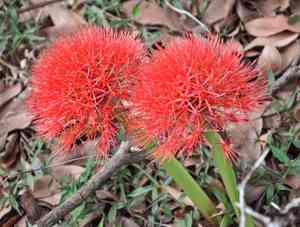
African blood lily multiplication is most effective by separating tubers during the spring season. This technique is quite straightforward, with fresh shoots signaling successful propagation. Sufficient soil hydration and proper drainage foster the growth of new tubers.
Optimal Time for African Blood Lily Propagation
Propagation Method
Utilize The Tubers
Propagation Period
Spring
Tools Required for African Blood Lily Propagation
Sharp Knife or Scalpel
This instrument is vital for making clean cuts when dividing african blood lily tubers, a common propagation technique. A keen edge ensures precise incisions, minimizes tuber damage, and reduces the risk of disease entry. A scalpel is especially useful for creating the clean, thin slices needed for smaller african blood lily tubers.
Sterilizing Agent (e.g., Rubbing Alcohol or Bleach Solution)
Sterilization is crucial for preventing pathogen transmission during tuber cutting. Before slicing african blood lily tubers, the sterilizing agent is used to disinfect the knife or scalpel, which is essential for plant health and successful propagation.
Potting Mix
A well-draining, nutrient-rich potting medium is essential for planting african blood lily tuber sections. This substrate supports proper root development and aeration, key for new plant establishment. The mix's ability to retain moisture without becoming waterlogged is important for african blood lily.
Planting Pots
These containers will hold the potting mix and offer a suitable environment for new african blood lily tubers to develop roots and shoots. Pots must have good drainage to prevent water accumulation, which can cause tuber rot. Correct pot size ensures adequate space for root growth.
Watering Can with a Fine Rose
This tool is used for gently watering newly planted african blood lily tubers. The fine rose attachment provides a soft, dispersed water flow that moistens the potting mix without disturbing the tubers or causing soil erosion.
Labels and Marker
Proper labeling of pots with a weatherproof marker helps track propagation progress and maintain records of tuber sections. This is especially important for african blood lily if managing multiple plants, allowing for organized care and monitoring.
How to Propagate African Blood Lily?
Propagation Type
Utilize The Tubers
Difficulty Level
Easy
Caring for Your Newly Propagated African Blood Lily
Caring for Your Newly Propagated African Blood Lily
Post-propagation, continue caring for african blood lily by maintaining high humidity and indirect light. Water african blood lily when the top inch of soil feels dry. Reduce watering during late fall and winter dormancy. Repot african blood lily every 2-3 years to refresh soil and accommodate growth. Protect african blood lily from frost, and manage pests/diseases by quarantining new plants and using appropriate treatments.
Common Propagation Errors to Avoid with African Blood Lily
Overwatering
Excessive watering during african blood lily propagation can lead to bulb rot, as these plants prefer well-draining conditions. Saturated soil can harm bulbs and impede root development.
Planting bulbs too shallow
If bulbs are not planted at the correct depth, african blood lily may not develop a strong root system, leading to poor growth or failure to thrive.
Using poor soil mix
Soil lacking adequate drainage can be detrimental to african blood lily's health, as the plant requires a well-draining substrate to prevent rot and diseases.
Ignoring bulb health
Starting with damaged or diseased bulbs will likely result in propagation failure. Healthy bulbs are essential for the successful growth of african blood lily.
Neglecting temperature requirements
Although the best season is not to be discussed, maintaining an incorrect temperature range during propagation can prevent african blood lily from rooting and growing properly.
Tips for Propagating African Blood Lily
Proper planting depth
Ensure african blood lily bulbs are planted deep enough to facilitate a robust rooting system, typically two to three times the bulb's height.
Adequate watering
Water african blood lily sufficiently to keep the soil moist but not waterlogged, especially during the active growing season after planting.
Use a suitable substrate
Prepare a well-draining potting mix with organic matter to promote healthy root growth and prevent water retention for african blood lily.
Inspect bulbs
Before propagation, always inspect and select healthy, firm bulbs for planting to give african blood lily the best start.
Moderate temperature regulation
Maintain a consistent and suitable temperature range during the rooting process to support the healthy development of african blood lily.



