How to Propagate Octopus tree?
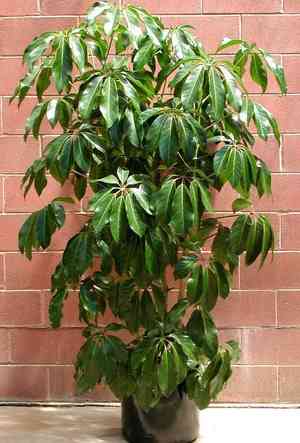
The favored method for multiplying octopus tree involves acquiring stem sections in the spring or summer. This procedure is relatively straightforward, with successful rooting evidenced by the emergence of fresh foliage. Guarantee elevated moisture levels and warmth to achieve the best outcomes.
Optimal Time for Octopus Tree Propagation
Propagation Method
Cutting
Propagation Period
Spring, Summer
Tools for Propagating Octopus Tree
Sharp Pruning Shears
Crucial for making clean cuts on octopus tree without harming plant tissues, which is essential for successful rooting. Sharp blades minimize plant stress, reducing infection risk and promoting quicker healing.
Rooting Hormone
This substance promotes root formation from octopus tree cuttings. Applying rooting hormone to the stem's cut end encourages root growth and boosts cutting success rates.
Sterile Potting Mix
Free from pathogens and weed seeds, a sterile potting mix offers an ideal setting for octopus tree cuttings to establish roots. It's well-aerated and retains moisture while preventing root rot, which is vital for young plants.
Propagation Trays or Pots
These containers securely hold the potting mix and octopus tree cuttings, providing a stable environment for root development. Adequate drainage holes are important to prevent waterlogging.
Plastic Dome or Plastic Bags
Creating a miniature greenhouse effect, these help maintain high humidity levels around octopus tree cuttings, which is beneficial for leaf and stem cuttings needing a moist environment for root initiation and growth.
Heat Mat (Optional)
While octopus tree can typically root without extra heat, a heat mat can provide consistent bottom warmth, which can accelerate root growth in cooler conditions or seasons.
How to Propagate Octopus Tree
Propagation Method
Cutting
Difficulty Level
Moderately Challenging
Caring for Your Newly Propagated Octopus Tree
Caring for Your Newly Propagated Octopus Tree
Once the octopus tree cutting has developed roots, typically indicated by new growth, gradually introduce it to normal growing conditions. Ensure young plants are kept in a warm area with bright, indirect light. Water when the top inch of soil dries out. Fertilize monthly with a balanced liquid fertilizer during the growing season. Avoid overwatering as octopus tree does not tolerate 'wet feet'. As the young plant grows, repot into a larger container to accommodate the expanding root system.
Common Errors to Avoid When Propagating Octopus Tree
Over-watering
Propagating octopus tree cuttings requires balanced moisture. Excessive water can lead to root rot and fungal diseases, potentially killing the cutting before it can establish.
Too much sunlight
Octopus tree, despite being a tropical plant, can suffer from leaf burn and undue stress if propagated cuttings are exposed to direct, intense sunlight during the initial rooting phase.
Improper cutting technique
Taking cuttings without a clean, sharp instrument can harm the parent plant and the cutting, leading to poor healing and reduced chances of successful rooting.
Using diseased material
Starting with cuttings that show signs of disease or pests can result in failed propagation and spread problems to other plants.
Neglecting humidity
Octopus tree cuttings require high humidity to root successfully. Ignoring the need for a humid environment can slow down or completely halt root development.
Tips For Propagating Octopus Tree
Sterile equipment
Use sterile pruning tools to take cuttings from octopus tree. This minimizes infection risk and ensures a clean cut that heals better and roots faster.
Optimal cutting size
Select a cutting that is 4-6 inches in length with at least two leaf nodes. This size is ideal for octopus tree to sustain itself and develop roots.
Rooting hormone
Using a rooting hormone can stimulate root growth and increase the chances of successful propagation for octopus tree.
Appropriate medium
Plant octopus tree cuttings in a well-draining propagation medium, such as a mix of peat and perlite or sand, to support proper root development without waterlogging.
Indirect light
Place octopus tree cuttings in bright, indirect light. This provides the necessary energy for growth without the stress of direct sunlight.



