How to Propagate Giant sequoia?
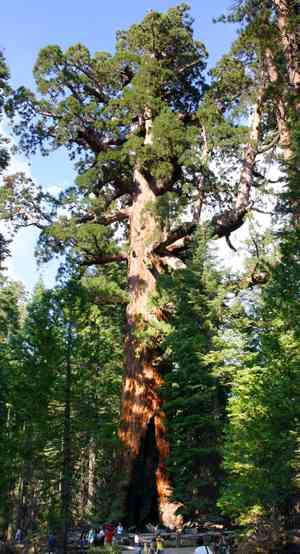
Sequoiadendron giganteum typically reproduces in the fall and winter through techniques such as layering, taking cuttings, or planting seeds. This particular variety presents a moderate challenge for propagation, with the emergence of fresh sprouts and leaves signifying successful development. Guaranteeing permeable soil and adequate hydration is crucial for achieving the best outcomes.
Optimal Period for Giant Sequoia Propagation
Propagation Method
Cutting
Propagation Season
Autumn,Winter
Tools Required for Giant Sequoia Propagation
Clean, sharp pruning shears
Pruning shears are vital for obtaining cuttings from the parent giant sequoia. They must be sharp to ensure a clean cut that avoids crushing plant tissue, which can enhance rooting success. Clean tools also prevent disease transmission between plants.
Rooting hormone
A rooting hormone can be applied to the cut end of a giant sequoia cutting to stimulate root development and increase the likelihood of successful propagation. This is especially important for woody plants like giant sequoia, which can be more challenging to root.
Soilless potting mix
A sterile, soilless potting mix offers a clean and regulated environment for cuttings to root. This prevents contamination and disease. The mix should have good drainage and aeration to meet the giant sequoia's rooting requirements.
Propagation tray
A propagation tray is a shallow container used to hold the soilless potting mix and the giant sequoia cuttings. The tray allows for numerous cuttings to be rooted simultaneously and simplifies the process of providing consistent moisture and temperature.
Heating mat
A heating mat provides bottom warmth, which can encourage faster root growth in giant sequoia cuttings. Consistent heat is crucial for the rooting of many woody plant species, including giant sequoia.
Humidity dome
A clear plastic dome placed over the propagation tray helps maintain high humidity around the giant sequoia cuttings, which is essential to prevent drying out before roots develop. This mimics the humid understory of the giant sequoia's natural environment.
Caring for Your Newly Propagated Giant Sequoia
Caring for Your Newly Propagated Giant Sequoia
Once the giant sequoia cutting has established roots, gradually acclimate it to normal humidity levels over several days by removing the plastic cover or dome for extended periods. When the plant shows new growth, gently repot it into a larger container with a suitable potting mix. Water the young giant sequoia regularly, but avoid waterlogging the soil. Place it in a location with partial to full sunlight, and protect it from extreme temperatures. As giant sequoia grows, ensure its environment mimics its natural habitat with well-draining soil and ample vertical space.
Common Errors to Avoid When Propagating Giant Sequoia
Overwatering
Excessive watering can lead to root rot and fungal diseases in giant sequoia, hindering root development and growth.
Not stratifying seeds
The seeds of giant sequoia require a period of cold stratification to break dormancy. Skipping this step can result in poor or no germination.
Using poor quality soil
Soil that lacks proper drainage or is not sufficiently fertile can lead to poor rooting and growth of giant sequoia cuttings and seedlings.
Planting at incorrect depth
Seeds or cuttings of giant sequoia planted too deeply may fail to emerge or root properly, while those planted too shallowly may dry out or fail to establish.
Neglecting humidity for cuttings
Cuttings of giant sequoia require high humidity to root successfully. Inadequate humidity can lead to desiccation and failure to establish roots.
Tips For Propagating Giant Sequoia
Cold stratification of seeds
Subjecting the seeds of giant sequoia to cold stratification for approximately 30 days can improve germination rates by simulating winter conditions.
Well-draining soil mix
Using a soil mix with good drainage properties helps prevent waterlogging and supports the healthy growth of giant sequoia cuttings and seedlings.
Adequate seed depth
Seeds of giant sequoia should be sown at the correct depth, generally around 1/8 to 1/4 inches, to ensure proper emergence and root development.
Humidity control
Maintaining high humidity around cuttings of giant sequoia by using propagation domes or misting systems will promote root development.
Gentle handling of seeds and cuttings
Careful handling of giant sequoia's seeds and cuttings prevents damage to embryonic roots and shoots, which is critical for successful propagation.



