How to Propagate Gloxinia?
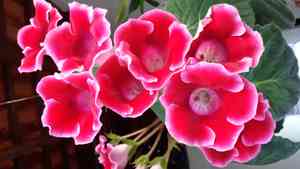
Gloxinia, a tuber-forming plant within the Gesneriaceae family, is prized for its soft, fuzzy leaves and sizable, bell-like blossoms. For multiplying gloxinia, the most efficient technique entails splitting its tubers. Gently divide the tubers in late winter, making sure every segment possesses a minimum of one growth point. Embed these sections in a potting medium that drains effectively, and sustain uniform dampness without oversaturation, which facilitates the emergence of roots and new sprouts.
Optimal Time for Gloxinia Propagation
Propagation Method
Utilize The Tubers
Propagation Period
Spring
Tools Required for Gloxinia Propagation
Sharp knife or scalpel
Crucial for making clean cuts on gloxinia tubers, a sharp knife or scalpel ensures precise incisions, which helps prevent tissue damage. Clean cuts are vital for minimizing disease risk and promoting healthy regeneration.
Sterilizing agent (e.g., rubbing alcohol)
Used to sanitize cutting instruments before and after each use, this agent prevents the transfer of pathogens between plants. Maintaining clean tools is essential, especially when cutting tubers, to preserve gloxinia's health.
Rooting hormone powder
This promotes root formation in the severed sections of the tubers. By applying rooting hormone, the likelihood of successful root growth and thus the overall survival rate of gloxinia propagules are significantly enhanced.
Moisture-retaining medium (e.g., peat moss, vermiculite)
Offers the perfect environment for the freshly cut tubers to develop roots. It holds just enough moisture to encourage root growth without causing waterlogging, which is critical for the delicate initial stages of gloxinia tuber rooting.
Plastic pots or trays
Used to hold the tubers after they have been prepared and treated with rooting hormone. These containers should have good drainage to prevent excessive moisture, which could lead to fungal diseases detrimental to gloxinia propagation.
Misting bottle
Essential for keeping the soil medium around the gloxinia tubers uniformly moist without being overly wet. Regular misting helps maintain an ideal humidity level, encouraging root and plantlet development.
Labeling materials (e.g., markers, tags)
Important for tracking the propagation process, especially when propagating multiple specimens of gloxinia at once. Proper labeling aids in monitoring growth progress and maintaining an organized propagation setup.
Caring for Your Newly Propagated Gloxinia
Caring for Your Newly Propagated Gloxinia
Post-propagation, keep gloxinia's soil slightly moist and ensure high humidity using a humidity tray or by misting the air around the plant, not directly on the leaves. Provide indirect, bright light and avoid sudden temperature shifts or drafts. As new growth emerges, begin a regular feeding schedule with a balanced, water-soluble fertilizer every two to four weeks. When gloxinia enters dormancy, reduce watering and allow the soil to partially dry between waterings, resuming regular care when new growth appears in the next growing season.
Common Errors to Avoid When Propagating Gloxinia
Overwatering cuttings
Gloxinia cuttings can rot if the soil is too damp, leading to poor root development and propagation failure.
Using non-sterile tools
Contaminated tools could introduce pathogens to gloxinia cuttings, impeding growth or causing disease.
Planting cuttings too deep
Excessive planting depth may cause gloxinia cuttings to rot before they can establish roots.
Neglecting humidity
Insufficient humidity might dry out gloxinia cuttings before they root, as they require a moist environment to thrive.
Ignoring soil composition
The incorrect soil mix can be detrimental as gloxinia prefers well-draining soil to prevent water retention and root diseases.
Tips For Propagating Gloxinia
Proper cutting selection
Choosing healthy, non-flowering stems of gloxinia ensures better chances of successful rooting and growth.
Use of rooting hormone
A rooting hormone can stimulate quicker and more reliable root development in gloxinia cuttings.
Maintain optimal humidity
Covering gloxinia cuttings with a plastic bag or dome helps retain moisture and improves root formation.
Adequate light exposure
Providing indirect sunlight encourages photosynthesis and growth without scorching young gloxinia plants.
Monitoring water levels
Keeping the soil of gloxinia moist but not waterlogged prevents rot and supports healthy root development.



