How to Propagate Japanese skimmia?
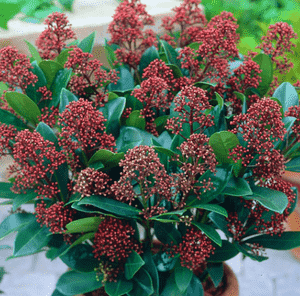
Skimmia japonica is an evergreen shrub that thrives in shaded environments, featuring sturdy green foliage and aromatic white blossoms, frequently utilized in decorative landscaping. Reproduction is generally effective via stem sections. Obtain semi-hardwood sections from vigorous, established specimens, making sure each possesses multiple leaf nodes. Employ a rooting stimulant to enhance successful rooting, and embed them in a blend of peat and perlite to foster root growth in a humid setting. Steady dampness and warmth are crucial, yet prevent excessive watering to avert decay. With appropriate attention, the cuttings will form roots, and new plants will start to flourish.
Optimal Time for Japanese Skimmia Propagation
Propagation Method
Cutting
Propagation Period
Spring,Summer
Tools for Japanese Skimmia Propagation
Sharp Pruning Shears
Crucial for making clean, precise cuts, sharp pruning shears minimize stem damage to japanese skimmia. A clean cut helps prevent infection and promotes faster healing, aiding successful rooting.
Rooting Hormone Powder
This chemical encourages root development from japanese skimmia's cuttings. Applying rooting hormone to the cut end before planting improves the likelihood of successful root formation, vital as japanese skimmia can be slow to root.
Sterile Potting Mix
A well-draining, sterile potting mix offers an ideal environment for japanese skimmia's cuttings to root. It prevents disease and supports healthy root growth without soil pathogens, which is key for japanese skimmia's delicate cuttings.
Humidity Dome
Maintaining high humidity around japanese skimmia's cuttings prevents moisture loss and wilting. A humidity dome creates a microenvironment with optimal moisture levels, encouraging rooting and protecting cuttings from stress.
Heat Mat
Placing the propagation tray on a heat mat helps maintain a steady soil temperature. This warmth benefits japanese skimmia's root development, especially in cooler climates or during less ideal propagation temperatures.
How to Propagate Japanese Skimmia?
Propagation Type
Moderately Difficult
Caring for Newly Propagated Japanese Skimmia
Caring for Newly Propagated Japanese Skimmia
After successful propagation of japanese skimmia, keep the soil consistently moist but avoid overwatering, as japanese skimmia dislikes waterlogged conditions. Position young plants in partial shade, as they thrive in filtered light and can suffer in full sun. Apply a balanced, slow-release fertilizer annually in spring to encourage robust growth. Protect newly propagated japanese skimmia from frost and extreme temperatures, and monitor for pests or diseases. Prune as needed to maintain shape and remove any dead or damaged growth.
Common Propagation Mistakes for Japanese Skimmia
Overwatering cuttings
Excessive watering of cuttings can lead to fungal infections or rot, potentially killing them before rooting occurs.
Using unsterilized tools
Tools that haven't been sterilized can introduce pathogens to cuttings, possibly causing diseases that hinder healthy growth.
Cutting from non-viable branches
Selecting weak or diseased branches for cuttings can result in poor rooting and growth, as these segments lack the necessary vigor for successful propagation.
Planting cuttings too deep
Inserting cuttings too deeply into the soil can cause them to rot, as it creates an anaerobic environment around the stem, impeding successful root development.
Ignoring humidity requirements
Failing to provide a humid environment for cuttings can cause them to dry out and fail to root, as japanese skimmia thrives in moist conditions.
Tips for Propagating Japanese Skimmia
Use semi-hardwood cuttings
Choosing semi-hardwood cuttings often yields the best results, as they possess the ideal balance of maturity and growth potential for successful rooting.
Ensure proper cutting length
Cuttings should be approximately 4-6 inches long with several leaves at the top, which is the optimal size for rooting without succumbing to moisture stress.
Treat with rooting hormone
Coating the base of cuttings with a rooting hormone can stimulate root growth and improve the chances of successful propagation.
Provide indirect light
Cuttings should be placed in indirect light to prevent sun scorch, which can harm delicate new growth and impede the propagation process.
Maintain consistent moisture
Soil should be kept consistently moist but not waterlogged, to provide ideal conditions for root development without causing decay.



