How to Propagate Eggplant?
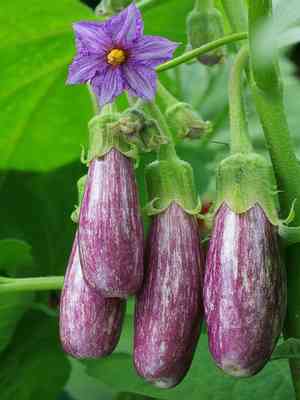
Eggplant multiplies successfully through seed planting in the springtime. A moderate level of propagation challenge might be encountered, yet robust seedling development signifies successful sprouting. Adequately prepare seeds through stratification and ensure steady hydration for peak outcomes.
When Is the Optimal Time to Propagate Eggplant?
Propagation Method
Seeding
Propagation Period
Spring
What Equipment Is Utilized in Eggplant Propagation?
Seedling trays or pots
These offer individual sections or areas for planting eggplant seeds, facilitating optimal root growth and simpler transplanting. The divisions prevent root tangling, encouraging stronger root systems.
Fine-textured seed starting mix
A sterile, nutrient-rich substrate is crucial for eggplant germination. Its fine consistency ensures good contact between soil and seed and retains sufficient moisture, vital for seed sprouting.
Misting bottle or gentle watering can
Tools that deliver soft irrigation help prevent washing away or burying tiny eggplant seeds too deeply, which could hinder germination. Consistent moisture levels are important for successful seed emergence.
Plastic dome or clear wrap
These covers are used to maintain high humidity and a stable temperature around eggplant seeds, creating a greenhouse effect beneficial during the initial germination phases.
Heat mat (optional)
Some cultivators use a heat mat to maintain a consistent and appropriate temperature, especially in cooler climates. This encourages faster germination and growth for eggplant.
Grow lights
Post-germination, grow lights can be essential if natural sunlight is insufficient. They provide the necessary light spectrum to promote healthy development and prevent eggplant seedlings from becoming elongated.
Dibber or small tool for transplantation
A dibber is employed to create holes in the potting mix, allowing for careful transplanting of eggplant seedlings without harming their delicate roots. Proper transplantation minimizes plant stress, supporting successful establishment.
How to Propagate Eggplant?
Propagation Method
Seeding
Difficulty Level
Easy
How to Care for Your Newly Propagated Eggplant?
How to Care for Your Newly Propagated Eggplant?
After propagation, continue to provide eggplant with ample sunlight and consistent water, ensuring the soil remains damp but well-drained. Fertilize eggplant bi-weekly with a balanced, water-soluble feed, and support the plants with stakes or cages as they mature to manage their weight. Monitor for pests like aphids and spider mites, and diseases such as blight, using appropriate organic or chemical treatments as needed. Harvest eggplant when the fruits are firm and shiny, typically around 16-24 weeks after sowing, depending on the cultivar.
Common Errors to Avoid When Propagating Eggplant
Overwatering
Excessive water can lead to root decay and fungal infections, impeding root development and overall growth of eggplant.
Insufficient spacing
Planting eggplant seedlings too closely together results in poor air circulation and can encourage disease spread, as well as hindering growth due to nutrient competition.
Ignoring soil quality
Using soil that lacks adequate nutrients or has unsuitable pH levels can compromise the health and productivity of eggplant, inhibiting their root and foliage development.
Neglecting to harden off seedlings
Failing to acclimate eggplant seedlings to outdoor conditions before planting can result in shock, stunted growth, or death when they are transplanted outside.
Deep planting of seeds
Sowing eggplant seeds too deeply can prevent germination as the seedlings may not be strong enough to push through the soil.
Using old or improperly stored seeds
Aged seeds or those stored under incorrect conditions may have low germination rates, leading to unsuccessful propagation of eggplant.
Tips For Propagating Eggplant
Appropriate watering
Provide eggplant with consistent moisture but allow the soil to dry out slightly between waterings to avoid overwatering and related diseases.
Adequate spacing
Ensure eggplant has sufficient space between each plant to allow for proper air flow, sunlight penetration, and nutrient availability, promoting healthier growth and disease prevention.
Soil preparation
Enrich the soil with nutrient-rich compost or a balanced fertilizer and adjust the pH to suit eggplant, which generally prefers slightly acidic to neutral soil.
Hardening off seedlings
Gradually expose eggplant seedlings to outdoor conditions over a period of one to two weeks to strengthen them before permanent outdoor transplantation.
Proper seed depth
Plant eggplant seeds at the recommended depth, typically no more than a quarter-inch deep, to ensure successful germination.
Seed viability
Always use fresh seeds for eggplant or ensure that stored seeds have been kept in a cool, dry, and dark place to maintain their viability.



