How to Propagate Canada goldenrod?
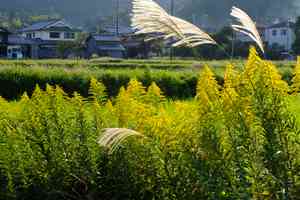
Canada goldenrod is best propagated by planting seeds in the springtime. This process presents a moderate challenge, with successful outcomes indicated by the emergence of sprouts and initial leaf growth. To enhance germination success, provide a consistently damp, yet adequately drained, growing medium.
Optimal Time for Canada Goldenrod Propagation
Propagation Method
Seeding
Propagation Period
Spring
Tools for Canada Goldenrod Propagation
Seed trays or flats
These offer a controlled setting for germinating canada goldenrod seeds. Their shallow depth is perfect for small seeds, which need light to sprout and shouldn't be buried deep. They allow easy moisture monitoring and drain well, reducing fungal disease risks like damping-off.
Sterile potting mix
Using a sterile potting mix for canada goldenrod seeds ensures no pathogens or weed seeds are present that could compete with or harm the developing seedlings. This mix should be fine-textured and well-aerated to support root growth and provide adequate seedling stability.
Fine mist spray bottle
Used to gently water canada goldenrod seeds without disturbing them, as they require a steady moisture supply for effective germination without being dislodged or buried too deeply by a strong water stream.
Clear plastic dome or wrap
Creating a miniature greenhouse effect over seed trays maintains high humidity, vital for successful canada goldenrod seed germination. It also keeps temperatures stable, both of which can accelerate sprouting and growth.
Grow lights or sunny location
Since canada goldenrod seeds need light to germinate, providing a consistent light source ensures they receive the necessary amount, especially for indoor sowing. Grow lights offer greater control over light exposure.
How to Propagate Canada Goldenrod
Propagation Method
Seeding
Difficulty Level
Easy
Caring for Newly Propagated Canada Goldenrod
Caring for Newly Propagated Canada Goldenrod
After propagation, canada goldenrod needs minimal care. Keep the area weeded and water if rainfall is insufficient, especially during dry spells in the first growing season. Once established, canada goldenrod is drought-tolerant and low-maintenance. Avoid nitrogen-rich fertilizers, as they can cause canada goldenrod to grow too vigorously. To encourage more blooms and prevent self-seeding, cut back spent flower heads after flowering.
Common Mistakes to Avoid When Propagating Canada Goldenrod
Ignoring soil conditions
Using overly rich or fertilized soil can lead to lush vegetative growth in canada goldenrod at the expense of flowering. Canada goldenrod thrives in poor soils, and excessively fertile conditions can result in weak, floppy stems.
Overwatering
While establishing canada goldenrod, excessive moisture can cause root rot or fungal diseases. These plants are drought-tolerant, and too much water can harm their root system.
Neglecting to thin seedlings
Failure to adequately space canada goldenrod seedlings can lead to overcrowding, often resulting in poor air circulation and reduced vigor, making the plants susceptible to pests and diseases.
Excessive handling of roots
During division, overhandling or damaging canada goldenrod roots can stress the plant, hindering its ability to establish and grow successfully.
Tips for Propagating Canada Goldenrod
Proper soil preparation
Amend the soil with sand or other gritty material to enhance drainage for canada goldenrod. They prefer well-drained soil that mimics their natural habitat, aiding in root development and overall plant health.
Appropriate watering
Water canada goldenrod seedlings to keep the soil consistently moist but not waterlogged during their establishment phase. Once mature, these plants can endure periods of drought.
Regular division
Propagating canada goldenrod through division every few years helps rejuvenate the plants and promotes vigorous growth. It's a reliable method to maintain plant health and spread canada goldenrod in your garden.
Seed stratification
For successful seed germination, canada goldenrod seeds benefit from a period of cold stratification. This mimics winter conditions and can increase the germination rate.



