How to Propagate Wrinkleleaf goldenrod?
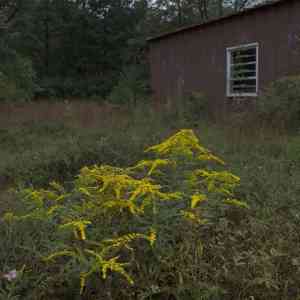
Wrinkleleaf goldenrod multiplies most effectively via division, preferably in spring or fall. Although propagation is relatively straightforward, indicators of success include the emergence of new shoots and root development. Make sure that expanding roots are adequately separated to achieve the best outcomes.
Optimal Time for Wrinkleleaf Goldenrod Propagation
Propagation Method
Separation
Propagation Period
Spring, Autumn
Tools Required for Wrinkleleaf Goldenrod Propagation
Garden Fork or Spading Fork
This implement is crucial for loosening the earth around wrinkleleaf goldenrod without harming its root system. The garden fork's sturdy tines can penetrate tough soil, aiding in lifting and separating clumps for division. It is particularly advantageous for wrinkleleaf goldenrod as it ensures minimal root disturbance, vital for the plant's health during the division process.
Sharp Pruning Shears or a Knife
Sharp pruning shears or a specialized garden knife are necessary to cut through any tough, thick roots that cannot be easily pulled apart. For wrinkleleaf goldenrod, a clean cut is important to prevent disease and promote rapid recovery and growth after division. The sharpness ensures precise cutting, minimizing damage to the root system.
Gloves
Protective gloves are essential to shield the propagator's hands from soil, sharp objects, or any potential irritants found in the garden. They offer a better grip when handling wrinkleleaf goldenrod and its roots during division, which can enhance accuracy and reduce the risk of slippage or injury.
Watering Can or Hose with a Gentle Spray Setting
After dividing wrinkleleaf goldenrod, it is important to water the new plantings to help settle the soil and eliminate air pockets. A gentle spray setting is important to avoid disturbing the newly planted divisions and to provide adequate moisture a crucial factor in the successful establishment of wrinkleleaf goldenrod.
Potting Soil or Compost
This amendment is beneficial for preparing new planting sites or containers for wrinkleleaf goldenrod divisions. A mix rich in organic matter helps improve soil structure and provides essential nutrients for the initial growth phase, enhancing the health and viability of the newly propagated plants.
Plant Tags and Marker
Identification is key to tracking new propagates. Plant tags and a waterproof marker can be used to label each wrinkleleaf goldenrod division with information like the propagation date and original planting location. This aids in monitoring growth and maintaining records, essential for proper care and future propagation efforts.
How to Propagate Wrinkleleaf Goldenrod?
Propagation Method
Division
Difficulty Level
Simple
Caring for Your Newly Propagated Wrinkleleaf Goldenrod
Caring for Your Newly Propagated Wrinkleleaf Goldenrod
Post-propagation, it's crucial to keep the soil consistently moist but not waterlogged for wrinkleleaf goldenrod. Regularly monitor new plants for signs of water stress. Provide wrinkleleaf goldenrod with full sun to partial shade and ensure good air circulation to prevent disease. No additional fertilization is typically needed in the first year after division. In subsequent years, a balanced, slow-release fertilizer can be applied in spring if grown in poor soil. Deadhead spent flower stalks to encourage more blooms or allow them to seed for natural spread. Divide wrinkleleaf goldenrod every 3 to 4 years to maintain vigor and control growth.
Common Propagation Mistakes to Avoid with Wrinkleleaf Goldenrod
Overwatering
Excessive watering can lead to root rot in wrinkleleaf goldenrod, a condition where roots cannot absorb nutrients and water due to decay, threatening the plant's overall health.
Inadequate soil preparation
Using soil that is too dense or poorly drained can hinder root growth and aeration for wrinkleleaf goldenrod, which can harm the propagation process by preventing the development of a strong root system.
Planting too deep
Inserting wrinkleleaf goldenrod cuttings too deeply into the soil can lead to a lack of oxygen, inhibiting root development and reducing the chances of successful propagation.
Neglecting to remove flowers
Failing to remove the flowers from wrinkleleaf goldenrod cuttings can cause the plant to focus its energy on seed production rather than root and shoot growth, which is counterproductive for propagation.
Overcrowding
Planting wrinkleleaf goldenrod cuttings too close together can lead to competition for resources, resulting in weaker plants with lower chances of successful establishment.
Tips For Propagating Wrinkleleaf Goldenrod
Use well-draining soil
Choose a soil mix that provides good drainage and aeration for wrinkleleaf goldenrod, to encourage strong root development without the risk of root rot.
Maintain appropriate moisture
Keep the soil consistently moist but not saturated when propagating wrinkleleaf goldenrod to ensure the cuttings have enough water to grow without the risk of waterlogging.
Proper cutting depth
Place wrinkleleaf goldenrod cuttings at an appropriate depth in the soil to ensure sufficient support while avoiding issues related to poor oxygenation.
Cutting preparation
Make clean cuts and remove any flowers or excessive foliage from wrinkleleaf goldenrod cuttings before planting to direct the plant's energy towards root and shoot development.
Space appropriately
Give wrinkleleaf goldenrod cuttings enough space to grow when planting to reduce competition for light, nutrients, and water, encouraging healthy growth and propagation.



