How to Propagate Alkali sacaton?
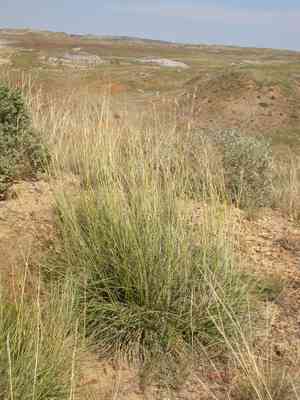
Alkali sacaton flourishes when reproduced via separation. The vigorous root structure of this grass is highly suitable for this technique, enabling cultivators to gently divide established clusters into smaller portions during relocation. Verifying that each segment possesses sufficient roots substantially elevates the chances of success. Maintain damp soil and ensure proper water runoff to foster robust development after transplantation.
Optimal Period for Alkali Sacaton Propagation
Propagation Method
Division
Propagation Season
Spring,Autumn
Tools Required for Alkali Sacaton Propagation
Sharp Spade or Knife
Utilized for cleanly separating alkali sacaton's root system without undue harm. Its sharpness ensures precise cuts, reducing plant stress and promoting faster healing and regrowth.
Watering Can with a Fine Rose
Crucial for gently irrigating alkali sacaton after propagation. The fine rose attachment provides a soft, even water distribution that won't dislodge new divisions or wash away soil, aiding plant establishment.
Rooting Hormone Powder or Gel
Applied to fresh cut surfaces of alkali sacaton divisions to stimulate root growth and lessen transplant shock. This product significantly boosts propagation success by enhancing root development.
Gardening Gloves
Protects the hands of the propagator from sharp edges and soil when handling alkali sacaton during division. Gloves also prevent pathogen transfer from hands to plant cuttings, ensuring healthier growth.
Trowel
Employed to excavate around the plant and lift alkali sacaton from the soil with minimal root disruption. This tool is vital for retaining sufficient root mass with each divided section, ensuring viability.
Label and Permanent Marker
For identifying alkali sacaton divisions during propagation. Labeling is essential for monitoring growth progress and maintaining plant variety identification, especially in diverse cultivation settings.
Method for Propagating Alkali Sacaton
Propagation Type
Easy
Post-Propagation Care for Your New Alkali Sacaton
Post-Propagation Care for Your New Alkali Sacaton
Alkali sacaton is a resilient perennial that thrives in full sun and requires minimal upkeep once established. Keep the soil slightly moist until new divisions are well-rooted. Subsequently, alkali sacaton is highly drought-tolerant and will only need occasional watering during extended dry spells. Little fertilization is necessary, but a balanced, slow-release fertilizer can be applied annually in early spring if growth appears slow.
Common Errors to Avoid When Propagating Alkali Sacaton
Overwatering
Excessive watering can cause root rot in alkali sacaton, a plant adapted to dry conditions. Too much moisture prevents its roots from accessing needed oxygen, potentially leading to fungal diseases and poor health.
Using dense soil mixes
Employing a soil mix that is too heavy or clay-rich can impede drainage and air circulation around alkali sacaton's roots. This error can suffocate the plant's roots and decrease propagation success.
Excessive handling of roots
During transplanting, excessive manipulation or disturbance of alkali sacaton's roots can inflict significant stress and damage. This diminishes the plant's ability to establish itself post-propagation, leading to lower survival rates.
Advice for Propagating Alkali Sacaton
Utilize well-draining soil
Using a well-draining soil mixture is critical for alkali sacaton, as it helps prevent waterlogging and supports robust root development. A blend of sand, loam, and compost is ideal for facilitating proper drainage while supplying essential nutrients.
Moderate watering schedule
Maintaining a balanced watering routine is crucial. Allow the soil to dry out slightly between waterings to meet alkali sacaton's moisture needs without causing water stress.
Careful root handling
Minimize root disturbance during the propagation process. Handle alkali sacaton's roots gently when transplanting to prevent physical damage and encourage quicker recovery and growth.



