How to Propagate Prairie Dropseed?
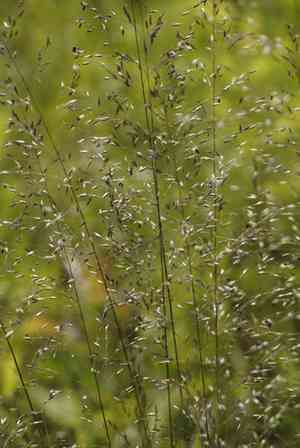
Prairie Dropseed successfully propagates by splitting the plant during the spring and fall. This technique is quite straightforward, with thriving root development indicating successful multiplication. Achieve the best outcomes by supplying aerated soil and appropriate maintenance.
When Is the Best Time to Propagate Prairie Dropseed?
Propagation Method
Division
Propagation Period
Spring, Fall
What Tools Are Used in Prairie Dropseed Propagation?
Garden fork or spade
A garden fork or spade is vital for separating the root clumps of prairie Dropseed. Its sharp tines or blade can penetrate the soil with minimal disruption to nearby plants and break apart the root mass without excessive harm. The spade should be robust enough to pry the roots apart, as prairie Dropseed can have a dense root system. Its long handle offers leverage to lift and separate the root balls effectively.
Pruners or sharp knife
Clean, sharp pruners or a knife are essential for making clean cuts through the fibrous roots of prairie Dropseed when they are too dense to separate by hand or with a spade. Precise cuts encourage faster healing and reduce the risk of disease. These tools should be sanitized between uses to prevent pathogen spread.
Watering can or hose with a gentle nozzle
After dividing and transplanting, it's crucial to water prairie Dropseed to settle the soil around the roots and remove air pockets. A watering can or hose with a gentle nozzle ensures a soft, even water flow, preventing the newly planted divisions from being dislodged or damaged by strong water pressure.
Planting pots with drainage holes
When propagating prairie Dropseed by division, it's sometimes beneficial to pot the new divisions before moving them to their permanent location. Pots with adequate drainage holes are critical for preventing waterlogged conditions, which can lead to root rot. The pot size should be appropriate for the root division to allow ample growth space.
Sterile potting mix
A sterile potting mix provides a disease-free environment for newly divided prairie Dropseed to establish. The mix should offer good aeration and drainage while retaining enough moisture to support initial root development. The sterility of the mix reduces the risk of soil-borne diseases affecting the vulnerable divisions.
Gloves
Wearing gloves during the division process helps protect the propagator's hands from sharp roots and potential soil irritants. They also provide a better grip when handling slick roots and moist soil, ensuring safe and efficient work.
Label and marker
Labels and a permanent marker are important for tracking plant divisions, especially if multiple batches are propagated at different times. Labeling aids in proper care and monitoring the progress of prairie Dropseed's growth and development post-propagation.
How to Propagate Prairie Dropseed?
Propagation Method
Division
Difficulty Level
Easy
How to Care for Your Newly Propagated Prairie Dropseed?
How to Care for Your Newly Propagated Prairie Dropseed?
After propagation, prairie Dropseed needs full sun to partial shade and well-drained soil. Water regularly to keep the soil slightly moist, especially during dry periods. During the first growing season, monitor prairie Dropseed for signs of stress and keep the area around prairie Dropseed free of weeds. Fertilizer is generally not required for prairie Dropseed, but a balanced, slow-release formula can be applied in spring if desired. Avoid overwatering or overcrowding, as this can lead to fungal diseases. As prairie Dropseed matures, it requires minimal care, making it a low-maintenance addition to the garden.
Common Mistakes to Avoid When Propagating Prairie Dropseed
Overwatering seeds
Watering prairie Dropseed seeds too often can cause them to rot before they germinate. The seeds need moist, but not soggy, conditions to sprout successfully.
Planting seeds too deep
Sowing prairie Dropseed seeds too deeply reduces their chances of sprouting, as the delicate emerging shoots may not reach the surface before exhausting their stored energy.
Ignoring stratification
Neglecting the cold stratification process can result in poor germination rates, as prairie Dropseed seeds often require a cold period to break dormancy and initiate sprouting.
Plant crowding
Planting young prairie Dropseed plants too close together can hinder their growth and development due to competition for light, nutrients, and water, which can also increase susceptibility to disease.
Frequent disturbance
Excessive handling or disturbance of prairie Dropseed root systems during transplantation can cause stress and damage, which may impede establishment and growth.
Tips For Propagating Prairie Dropseed
Proper sowing depth
Sowing prairie Dropseed seeds no more than a quarter-inch deep will provide optimal conditions for sprouting, allowing them to be lightly covered while still accessing sunlight.
Moisture management
Keeping the soil consistently moist but well-drained when germinating prairie Dropseed seeds is crucial. Using a spray bottle to mist the soil can prevent overwatering while maintaining the necessary moisture.
Cold stratification
Mimicking winter conditions by stratifying prairie Dropseed seeds for about a month before planting can significantly improve germination rates, as the cold period helps to break seed dormancy.
Space allocation
Giving each prairie Dropseed plant enough space to grow ensures proper air circulation and reduces disease risk, while allowing each plant access to sufficient nutrients and light.
Gentle handling
Being gentle when transplanting prairie Dropseed minimizes root disturbance and stress, helping the plants to establish more quickly and effectively in their new growing environment.



