How to Propagate Bird of paradise?
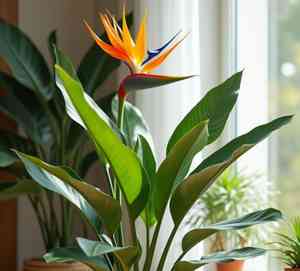
Strelitzia is most effectively multiplied by separating its rootstock in either the spring or fall. This procedure can present some difficulty, yet the emergence of fresh leaves signifies successful propagation. Exercise care when splitting the rhizomes to avoid causing harm.
Optimal Time for Bird Of Paradise Propagation
Propagation Method
Splitting
Propagation Period
Spring, Autumn
Tools Required for Bird Of Paradise Propagation
Sharp, sterile knife or pruning shears
A keen, sterilized blade or cutting tool is vital for cleanly and safely separating rhizomes during bird of paradise division. These implements prevent plant harm and reduce infection risk. The sterile edge ensures no pathogens are transferred during cutting. Sharpness is especially beneficial for precise cuts, crucial for bird of paradise's health and rapid recovery.
Gloves
Gloves safeguard the propagator's hands from injury and help prevent pest or disease transmission to bird of paradise during handling. They offer improved grip and ensure cleanliness, minimizing the risk of contaminating plant wounds with skin oils or residue.
Potting mix
A well-draining, nutrient-rich potting medium formulated for bird of paradise offers the ideal growing environment for new plants after division. It will ensure proper moisture retention and drainage, essential for root development and overall plant vitality.
Pots or trays
Appropriate containers or trays are necessary to house each bird of paradise division and provide ample space for root growth. They should feature sufficient drainage holes to prevent overwatering, which could lead to root rot or other ailments.
Watering can or hose with a gentle nozzle
A watering can or hose with a soft spray attachment allows for careful irrigation of bird of paradise after potting. Even and gentle water distribution helps settle the soil around roots and eliminates air pockets without disturbing newly planted divisions.
Rooting hormone (optional)
While not essential for bird of paradise, a rooting hormone can be applied to the cut surfaces of rhizomes to encourage faster root formation and growth. This can be advantageous in optimizing the success rate and health of propagated bird of paradise.
Labels and a marker
Labels and a marker are used to identify and track newly propagated bird of paradise. Record-keeping is crucial in propagation to monitor the progress and maintenance needs of each plant division. It is particularly important for proper care and follow-up during the establishment phase.
How to Propagate Bird Of Paradise
Propagation Type
Division
Difficulty Level
Simple
Caring for Your Newly Propagated Bird Of Paradise
Caring for Your Newly Propagated Bird Of Paradise
Maintain newly propagated bird of paradise plants in bright, indirect light with temperatures between 65-70°F (18-21°C). Water when the top inch of soil feels dry. Avoid excessive watering, which can cause root rot. Fertilize every two months with a balanced fertilizer to encourage healthy growth. Re-pot every couple of years to refresh the soil and provide adequate space for root expansion.
Common Errors to Avoid When Propagating Bird Of Paradise
Using seed from old flowers
Aged seeds may have reduced viability, leading to poor germination rates. Bird of paradise seeds need to be fresh to ensure a higher chance of successful propagation.
Incorrect soil medium
Bird of paradise thrives in well-draining soil. Using a dense, clay-based medium can result in water retention and root rot.
Overwatering
While bird of paradise appreciates moisture, excessive watering, especially during initial propagation stages, can cause root rot and fungal issues.
Inadequate light
Bird of paradise requires bright, indirect light for optimal growth. Insufficient light during propagation can lead to weak, leggy plants.
Planting too deeply
When propagating bird of paradise by division or seeds, planting them too deep can hinder germination or shoot emergence. Proper depth is critical for successful growth.
Ignoring plant size
Bird of paradise needs ample space to grow, especially given its size and root system. Small pots can restrict roots and slow development.
Tips For Propagating Bird Of Paradise
Use fresh seeds
Fresh seeds have a higher germination rate. For bird of paradise, using seeds collected from pods shortly after they dry will increase the chances of success.
Well-draining soil mix
Using a blend of potting soil, peat, and perlite or sand can provide ideal conditions for bird of paradise's root growth, ensuring proper drainage and aeration.
Appropriate watering
Maintaining consistent moisture without overwatering is crucial. Allow the top layer of soil to dry out before watering again to promote healthy root development for bird of paradise.
Bright, indirect light
Providing plenty of bright, indirect light will support vigorous growth and ensure a strong, healthy bird of paradise post-propagation.
Correct planting depth
When propagating bird of paradise from seeds, plant them shallowly, and for divisions, ensure the crown is just above the soil surface to facilitate proper growth.
Sufficient pot size
Choose a container that accommodates bird of paradise's growth, allowing for adequate root expansion without frequent repotting, which can stress the plant.



