How to Propagate Celandine poppy?
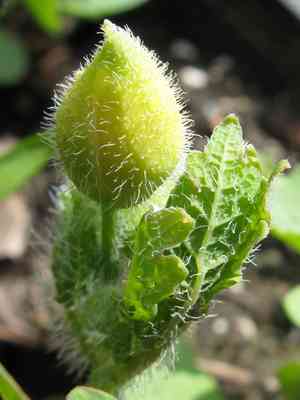
The most suitable period for multiplying celandine poppy is in the spring by means of seeding. Achieving successful propagation demands a moderate level of exertion. Evidence of successful growth includes the emergence of fresh shoots and foliage. Sufficient hydration and soil that drains effectively are crucial.
Optimal Period for Celandine Poppy Propagation
Propagation Method
Seeding
Propagation Period
Spring
Equipment for Celandine Poppy Propagation
Seed trays
Seed trays offer a controlled setting for planting celandine poppy seeds. Their shallow depth is perfect for the small seeds of celandine poppy, and individual compartments promote good drainage, reducing the risk of damping off. Trays also facilitate easier monitoring of seedling development.
Sterile potting mix
A premium, sterile potting mix decreases the chance of soil-borne diseases affecting celandine poppy during germination and initial growth. The mix should drain well and be rich in nutrients, providing the optimal balance for celandine poppy's early development.
Fine mist spray bottle
To water the delicate celandine poppy seedlings without displacing seeds or creating overly wet conditions, a fine mist spray bottle is utilized. It allows for gentle watering that keeps seedlings moist without causing erosion or soil compaction.
Plastic dome or wrap
Covering seed trays with a plastic dome or wrap creates a miniature greenhouse effect, retaining moisture and warmth essential for celandine poppy's seed germination. Once seedlings appear, the cover can be gradually removed to acclimate them to ambient conditions.
Tweezers or dibber
To precisely sow the tiny celandine poppy seeds and potentially transplant the fragile seedlings, tweezers or a dibber can be employed. They ensure minimal disruption to the roots and the surrounding soil structure.
How to Propagate Celandine Poppy
Propagation Method
Seeding
Difficulty Level
Simple
Caring for Your Newly Propagated Celandine Poppy
Caring for Your Newly Propagated Celandine Poppy
Post-propagation, maintain consistent soil moisture, especially during dry periods. As celandine poppy prefers shady conditions, ensure it is shielded from intense afternoon sun. Apply mulch around plants to retain soil moisture and suppress weeds. Fertilization is generally unnecessary if planted in rich organic soil. Monitor for pests and diseases, though celandine poppy is quite resilient against common garden pests. As a perennial, allow celandine poppy to naturally die back in autumn and avoid cutting back foliage until early spring to protect the crown during winter.
Common Errors to Avoid When Propagating Celandine Poppy
Watering schedule
Gardeners often underestimate the importance of moisture levels when propagating celandine poppy. Both excessive and insufficient water can be harmful. Overwatering can lead to root rot or fungal issues, while underwatering, particularly during the rooting phase, can result in desiccation and poor root development.
Soil composition
Using an unsuitable soil mix can be a mistake when propagating celandine poppy. Soil that is too dense or lacks organic matter may hinder root growth and drainage, which is vital for the health of this woodland species.
Root disturbance
Excessive disturbance of celandine poppy's roots during division is a common error. Being too rough when separating the plant can damage delicate roots, impeding the plant's ability to establish itself when transplanted.
Advice for Propagating Celandine Poppy
Humid environment
Maintaining a humid environment is crucial for successful celandine poppy propagation. This can be achieved by placing a plastic cover over the propagation area or regularly misting the plant to ensure a constant level of moisture conducive to rooting.
Gentle handling
When propagating celandine poppy through division, it's essential to handle the roots gently. Careful separation and minimal disturbance will help to promote better recovery and growth after the division process.
Organic soil amendments
Incorporating organic matter into the soil can greatly benefit celandine poppy's growth. Adding compost or leaf mold can provide the necessary nutrients and improve soil structure, favoring root development and overall plant health.



