How to Propagate Frost aster?
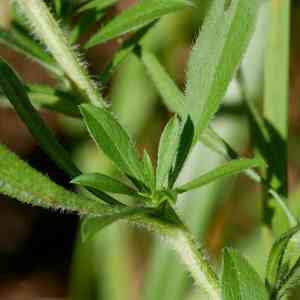
Frost aster is most effectively multiplied by planting seeds in the springtime. This procedure is quite straightforward, with the appearance of young plants signifying successful propagation. Guarantee adequate distance between plants and damp, permeable soil for peak development.
Optimal Period for Frost Aster Propagation
Propagation Method
Seeding
Propagation Season
Spring
Tools Utilized in Frost Aster Propagation
Seed trays and pots
These containers are employed for planting frost aster seeds, providing an optimal environment for germination and holding the growth medium. They facilitate easy management and can be filled with sterile soil to minimize disease risk.
Fine vermiculite or perlite
These light materials are blended with soil or applied as a top layer in seed trays to enhance moisture retention and aeration. Their texture benefits the small frost aster seeds, ensuring good contact with the medium without being easily dislodged.
Plant labels and markers
Essential for tracking frost aster seeds during their germination and growth, labels aid in monitoring the progress of various cultivars or planting dates and ensure organization throughout the propagation process.
Watering can with a fine rose
Ensures gentle irrigation of frost aster seeds without disturbing the soil or seed placement. A fine rose attachment emulates soft rainfall, providing even moisture without causing erosion in the seed trays.
Propagator with a humidity dome
Maintains elevated humidity levels around frost aster seeds, crucial for germination and early seedling development. A humidity dome also retains warmth, creating a miniature greenhouse effect that can accelerate germination times.
Heat mat
Provides consistent bottom warmth, vital for frost aster seed germination, particularly in cooler climates or during seasons when ambient temperatures are not ideal for starting seeds.
Grow lights
These deliver the necessary light spectrum for frost aster seedlings, especially when natural light is insufficient. Uniform light exposure promotes robust, upright growth and healthier plants.
Method for Propagating Frost Aster
Propagation Type
Seeding
Difficulty Level
Easy
Post-Propagation Care for Your Frost Aster
How to Care for Your Newly Propagated Frost Aster?
To care for frost aster after propagation, place them in an area receiving full sun to partial shade. Ensure the soil drains well and maintain consistent watering, allowing the top inch of soil to dry between waterings. Apply mulch around the plants to conserve moisture and suppress weeds. Fertilize lightly in spring and prune in early summer to encourage bushiness and more blooms. Protect from severe frost to prevent damage to new plantings.
Common Errors to Avoid When Propagating Frost Aster
Overwatering
Excessive watering can lead to root rot in frost aster, hindering growth and potentially causing the death of the propagules.
Using unsterilized tools
Unsterilized tools can introduce pathogens to frost aster cuttings or divisions, risking infection and poor plant health.
Ignoring plant depth
Planting frost aster cuttings or divisions too deep can suffocate new roots, while planting too shallow can lead to desiccation and weak establishment.
Neglecting pest control
Failure to manage pests during propagation can result in damage to frost aster's delicate new growth, stunting or preventing successful rooting.
Advice for Propagating Frost Aster
Rooting hormone
Utilizing rooting hormone can enhance root development in frost aster cuttings, leading to more dependable and stronger root systems.
Adequate spacing
Ensuring proper spacing allows for sufficient air circulation around frost aster, reducing the risk of fungal diseases during propagation.
Soil quality
A well-draining soil mix provides frost aster cuttings and divisions with the correct balance of moisture and aeration essential for rooting.
Gentle handling
Handling frost aster cuttings and divisions with care prevents damage to delicate tissues, ensuring better survival rates during propagation.



