How to Propagate Common yew?
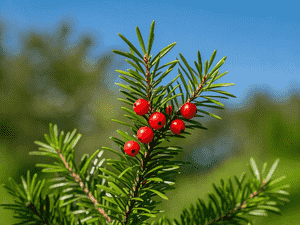
A highly valued decorative conifer, Taxus baccata is reproduced via cuttings, a cloning technique that maintains its genetic characteristics. Cultivators ought to employ semi-lignified cuttings harvested from robust, pathogen-free mature specimens. Encouraging root development necessitates a porous substrate and steady moisture, combined with warmth but shielded from direct solar exposure. Employ rooting compounds to boost successful establishment, and once rooted, progressively introduce Taxus baccata to standard cultivation environments prior to transplanting.
What Is the Best Time To Propagate Common Yew?
Propagation Type
Cutting
Propagation Season
Autumn,Winter
What Tools Are Used in Common Yew Propagation?
Sharp Pruning Shears
Crucial for making clean cuts from common yew, minimizing harm to the parent plant and new cuttings. Sterilized, sharp shears lower the chance of introducing diseases, vital for cutting health.
Rooting Hormone Powder
Stimulates root development in common yew cuttings, greatly boosting the likelihood of successful rooting. The powdered form is generally preferred for its ease of use and effectiveness on woody stems like those of common yew.
Propagation Tray
Utilized to hold and arrange common yew cuttings as their roots form. It should be shallow with good drainage. Ideally, the tray should contain a suitable sterile propagation medium, such as a perlite mix, to support robust root growth.
Misting Bottle
Essential for maintaining moisture levels around common yew cuttings during the initial phases of root formation. Regular misting helps prevent cuttings from drying out, which is critical as common yew needs consistent moisture without becoming waterlogged.
Heat Mat
Beneficial for maintaining consistent and optimal bottom heat, encouraging root development in common yew cuttings, especially in cooler climates. The gentle warmth supports active growth below the soil surface and enhances overall propagation success.
How to Propagate Common Yew?
Propagation Type
Moderately Difficult
How to Care for Your Newly Propagated Common Yew?
How to Care for Your Newly Propagated Common Yew?
Once rooted, gradually acclimate common yew to outdoor conditions by progressively removing the plastic cover. When the cutting exhibits new growth, indicating established roots, transfer it to a larger container or its permanent spot in well-draining soil. Water common yew regularly, allowing the soil to dry slightly between waterings, and shield it from strong winds. Apply a balanced fertilizer during the growing season to encourage healthy development.
Common Mistakes to Avoid When Propagating Common Yew
Poor cutting selection
Choosing weak or unhealthy cuttings can result in poor growth or failure to root. Robust, healthy stems increase the chance of successful propagation.
Overwatering
Excessive moisture can lead to root rot in cuttings, potentially causing propagation failure.
Using non-sterile tools
This can introduce pathogens to the cuttings, possibly causing infections that hinder growth or lead to plant demise.
Inadequate humidity
Failure to maintain a high humidity environment can cause cuttings to dehydrate too quickly, preventing rooting.
Ignoring pest or disease control
Neglecting to manage pests and diseases can harm common yew cuttings or young plants, severely impeding propagation success.
Tips For Propagating Common Yew
Healthy cutting selection
Choose strong, disease-free cuttings from mature common yew plants to ensure better rooting and growth.
Proper watering
Keep the soil around cuttings consistently moist without overwatering to prevent root rot and encourage healthy rooting.
Sterilize equipment
Use sanitized tools for cutting and handling to minimize infection risk and improve propagation outcomes.
Humidity control
Create a moist environment around the cuttings to prevent drying out and aid in root development.
Pest and disease management
Monitor and promptly address pests and diseases to safeguard the health of common yew cuttings and young plants during propagation.



