How to Propagate Garden thyme?
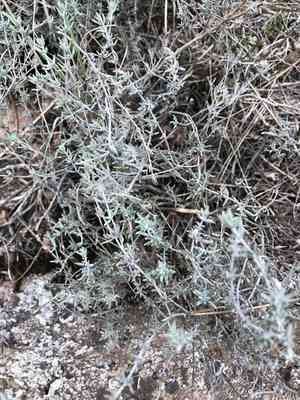
Thymus vulgaris is most effectively multiplied via cuttings taken in the spring and summer seasons. This technique is quite straightforward, and the emergence of new foliage signifies successful propagation. Generally, no further specific advice is required.
When Is the Optimal Time to Propagate Garden Thyme?
Propagation Type
Cutting
Propagation Season
Spring, Summer
What Equipment Is Used in Garden Thyme Propagation?
Sharp Pruning Shears
Crucial for taking cuttings, sharp pruning shears enable a clean and precise cut, minimizing harm to the garden thyme parent plant and the cutting itself. Clean cuts boost the likelihood of successful rooting by lowering infection risk.
Rooting Hormone Powder or Gel
Applied to the cutting's base, rooting hormone can stimulate root development and enhance propagation success. It's especially helpful for garden thyme, promoting quicker establishment of root systems.
Sterile Potting Mix
A well-draining, sterile potting mix ensures garden thyme cuttings have an ideal environment for root growth, free from pathogens that could cause rot or disease during the rooting process.
Propagation Trays or Pots
These containers hold the garden thyme cuttings and potting mix. Selecting the correct size helps maintain proper moisture levels and accommodates growth as the cuttings develop roots.
Plastic Covers or Propagation Domes
Creating a humid microenvironment, these covers help maintain moisture around garden thyme cuttings, which is vital for preventing desiccation before roots can form.
Heating Mat (Optional)
While garden thyme typically roots without extra heat, a heating mat can provide consistent bottom warmth, which may aid rooting in cooler temperatures, leading to faster establishment.
Watering Can with a Fine Rose
A gentle watering tool is essential for maintaining appropriate moisture levels without disturbing garden thyme cuttings or the rooting medium. It ensures young roots receive water without excessive force or waterlogging.
How to Propagate Garden Thyme?
Propagation Type
Cutting
Difficulty Level
Easy
How to Care for Your Newly Propagated Garden Thyme?
How to Care for Your Newly Propagated Garden Thyme?
Post-propagation, garden thyme needs full sun to partial shade, well-draining soil, and moderate watering, allowing the soil surface to dry between waterings. Fertilize lightly with balanced, all-purpose fertilizer during the growing season. Prune regularly to encourage bushy growth and prevent legginess. Protect from extreme cold and overwatering to prevent root rot. Perennial in zones 5-9, mulch around the plant for overwintering in colder areas.
Common Errors to Avoid When Propagating Garden Thyme
Overwatering
Propagating garden thyme demands careful attention to moisture levels. Excessive watering can lead to root rot and fungal diseases, as garden thyme's roots require well-draining soil that isn't overly moist.
Too much direct sunlight
While garden thyme enjoys light, during the rooting phase, too much direct sunlight can cause stress and dehydration. This error can impede root development and burn delicate new growth.
Deep planting
Stem cuttings or seedlings of garden thyme planted too deeply may struggle to emerge or establish due to insufficient air circulation. This can result in decay or poor root development.
Ignoring hygiene
Using contaminated tools or pots without proper sterilization can introduce pathogens, a common error that can severely impact garden thyme's chances of successful propagation.
Dense soil use
Choosing soil that is too dense or heavy for garden thyme can hinder proper root growth and water drainage, increasing the likelihood of root rot.
Tips For Propagating Garden Thyme
Well-draining soil
Utilize a light, well-draining soil mix for garden thyme to foster healthy root growth and prevent water accumulation around the roots.
Softwood cuttings
Taking softwood cuttings from new growth of garden thyme improves the chances of successful rooting, as this material tends to root more readily than hardwood cuttings.
Indirect light
Garden thyme benefits from bright, indirect light during the initial propagation phase to encourage root growth without harming the plantlets.
Right depth planting
Plant cuttings or seeds of garden thyme at the appropriate depth. For seeds, a light soil covering is sufficient, while cuttings should have one-third to half of their length in the soil.
Sanitize tools
Always sanitize cutting tools and pots before use to minimize the risk of disease transmission, ensuring a healthier start for garden thyme.
Bottom heat
Providing gentle bottom heat can encourage root development in garden thyme cuttings, creating an optimal environment for root initiation without overheating the foliage.



