How to Propagate Large-leaved lime?
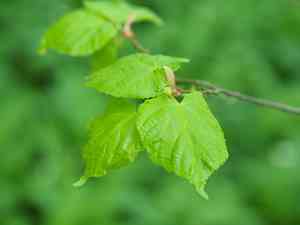
Belonging to the Tiliaceae botanical group, the large-leaved lime is reproduced via cuttings to efficiently replicate advantageous characteristics. Optimal outcomes are achieved by utilizing semi-hardwood cuttings sourced from robust, established specimens. Sever a segment possessing multiple leaf nodes, immerse the severed tip in a rooting stimulant, and embed it in a substrate that drains effectively. Guarantee sufficient hydration and warmth to foster root formation. Establish a moist atmosphere by enclosing it with a plastic covering or propagator lid until fresh shoots signify successful root establishment.
Optimal Period for Large-leaved Lime Propagation
Propagation Method
Cutting
Propagation Period
Autumn,Winter
Tools Required for Large-leaved Lime Propagation
Sharp Pruning Shears
Crucial for making clean, precise cuts on large-leaved lime branches. Sharp blades prevent damage and disease, ensuring a healthy start for new cuttings. Specialized shears can create angled cuts to maximize the exposed surface area for root development.
Rooting Hormone Powder
Encourages quicker root formation in large-leaved lime cuttings. The hormone stimulates root cell division and boosts the chances of successful rooting, which is vital for plants like large-leaved lime that might otherwise take longer to establish roots naturally.
Sterile Potting Mix
Offers a pathogen-free environment for newly propagated large-leaved lime cuttings, reducing the risk of fungal infections. A light, well-draining potting mix supports healthy root growth by providing the correct balance of air and moisture.
Propagation Trays
Used to hold large-leaved lime cuttings in an organized and stable manner. These trays help maintain consistent moisture levels and temperature, both essential for effective rooting of large-leaved lime cuttings. Trays with adjustable vents allow humidity control, which can improve rooting success.
Misting Bottle
Ensures gentle hydration of large-leaved lime's delicate cuttings without disturbing the soil or rooting medium. A fine mist provides necessary moisture while minimizing the risk of overwatering, crucial for preventing root rot in newly propagated plants.
How to Propagate Large-leaved Lime?
Propagation Difficulty
Moderately Difficult
How to Care for Your Newly Propagated Large-leaved Lime?
How to Care for Your Newly Propagated Large-leaved Lime?
Once the large-leaved lime cutting has developed a strong root system, gradually introduce it to the outdoor environment before planting it in the ground. Ensure the young large-leaved lime is watered regularly to maintain consistently moist soil, and shield it from harsh weather. As the large-leaved lime grows, prune it to encourage a robust structure, and apply mulch to retain moisture and reduce weed competition.
Common Errors to Avoid When Propagating Large-leaved Lime
Poor cutting selection
Choosing unhealthy or underdeveloped large-leaved lime cuttings can result in poor rooting and growth. Cuttings should be robust and taken from mature, disease-free parts of the plant.
Excessive watering
While large-leaved lime cuttings or young plants need moisture, overwatering can lead to root rot or fungal infections, impeding the propagation process.
Ignoring root space
Failing to provide adequate room for large-leaved lime roots can restrict development and lead to a weak plant structure, as this species can grow quite large.
Neglecting cleanliness
Using unsterilized tools or contaminated soil when propagating large-leaved lime increases the risk of disease transmission, which can jeopardize the entire propagation effort.
Tips For Propagating Large-leaved Lime
Healthy cutting selection
Always choose vigorous, disease-free cuttings from mature parts of large-leaved lime for a higher success rate in propagation.
Controlled watering
Maintain a balance when watering large-leaved lime cuttings or saplings, ensuring soil is moist but well-drained to prevent root problems.
Ample root space
Ensure that large-leaved lime has sufficient space for root development, whether in pots or the ground, to accommodate its potential size and prevent transplant shock later on.
Sterilization
Always use clean and sterilized tools and containers for propagating large-leaved lime to reduce disease risk and encourage healthy growth.



