How to Propagate Sky plant?
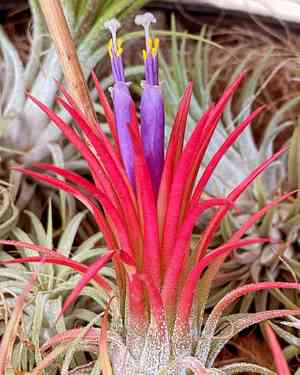
Sky plant is most effectively multiplied by separation in either spring or fall. This procedure is quite straightforward, and the emergence of new shoots signifies successful propagation. Provide adequate ventilation and moisture levels for the best outcomes.
Optimal Period for Sky Plant Propagation
Propagation Method
Separation
Propagation Period
Spring, Autumn
Tools for Sky Plant Propagation
Sharp, Sterilized Scissors or Pruning Shears
Essential for cleanly detaching offsets from the parent sky plant without causing harm. Sterilization prevents disease transmission during the cutting process.
Tweezers
Helpful for carefully handling small sky plant offsets and removing any dead or decaying foliage without injuring the plant or new pups.
Rubbing Alcohol or Disinfectant
Used on tools before and after use to maintain sterility and minimize infection risk for sky plant.
Gloves
Protects the propagator's hands and ensures skin oils do not contaminate sky plant cuttings.
Misting Bottle
Offers a gentle method to water sky plant pups after propagation. Overhead watering can harm young plants, and misting helps maintain proper moisture levels without over-saturating.
Propagating Sky Plant
Propagation Type
Division
Difficulty Level
Easy
Post-Propagation Care for Your Sky Plant
Post-Propagation Care for Your Sky Plant
Sky plant requires minimal attention but thrives under specific conditions. Position the plant in bright, indirect light. Water by misting or soaking every one to two weeks, allowing it to dry completely between sessions. High humidity and good air circulation are crucial to replicate sky plant's natural environment. Fertilize monthly with a diluted, balanced fertilizer during the active growth period. Avoid planting sky plant in soil as it is an epiphyte and prefers its roots exposed. Instead, it can be affixed to wood or placed in a container where it can grow undisturbed. Monitor for pests and diseases and treat as needed.
Common Errors to Avoid When Propagating Sky Plant
Overwatering
Excessive watering can cause rot in sky plant, as these air plants prefer dry conditions. Too much moisture can lead to decay at the base and leaves, hindering rooting and growth.
Planting in soil
Placing sky plant in soil is a critical error because these air plants need air circulation around their roots and will rot if planted in soil.
Ignoring pups
Failing to notice or properly separate 'pups', the small offsets produced by sky plant, can lead to overcrowding, inhibiting their growth and development.
Excessive direct sunlight
Exposing sky plant to too much direct sunlight can result in sunburn or dehydration, as they flourish in bright but indirect light.
Ignoring humidity
Neglecting the importance of humidity for sky plant can hinder the plant's ability to absorb water through its leaves, which is vital for its growth.
Tips For Propagating Sky Plant
Pup division
Wait until sky plant 'pups' are at least one-third the size of the parent plant before gently separating them, ensuring a successful start with established roots.
Adequate light
Place sky plant in bright, indirect sunlight to enhance photosynthesis and growth without the risk of sunburn from direct sunlight.
Proper watering technique
Mist sky plant regularly, allowing them to dry completely between waterings. This watering schedule mimics their natural habitat conditions.
Air circulation
Ensure good air circulation around sky plant, as stagnant air can promote moisture buildup and potential fungal growth.
Support structured growth
Provide sky plant with a suitable mount, such as driftwood or a specialized hanger, to simulate their natural growing conditions on tree branches or rocks.



