How to Propagate Virginia spiderwort?
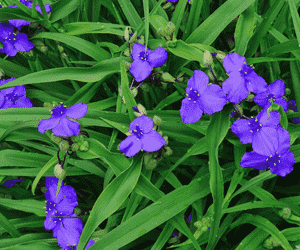
Virginia spiderwort is most effectively propagated by planting seeds in the spring. This particular variety presents a medium level of propagation challenge. The emergence of fresh leaves indicates successful propagation. Ensure steady hydration for the best development.
Optimal Period for Virginia Spiderwort Propagation
Propagation Method
Seeding
Propagation Period
Spring
Essential Tools for Virginia Spiderwort Propagation
Seed trays or flats
Seed trays or flats offer perfect conditions for planting seeds. They ensure good contact with the soil and proper spacing, fostering uniform germination and growth for virginia spiderwort. Individual cells or compartments help prevent root tangling, simplifying seedling separation for transplanting.
Potting mix
A premium potting mix supports virginia spiderwort growth by providing a well-draining yet moisture-retentive medium. It typically contains a blend of peat moss, vermiculite, and/or perlite, which promotes root development and overall plant health during the seedling phase.
Watering can with a fine rose
A watering can equipped with a fine rose attachment is used to gently irrigate virginia spiderwort seeds and seedlings without disturbing the soil or the seeds themselves. This ensures even hydration, crucial for seed germination and delicate seedling development.
Dome or plastic wrap
A clear dome or plastic wrap creates a mini-greenhouse effect over seed trays, maintaining high humidity and stable temperatures, both vital for virginia spiderwort germination. This cover also helps keep the soil moist, reducing the need for frequent watering.
Grow lights or a sunny location
Grow lights or a bright windowsill supply the necessary light for photosynthesis and healthy development of virginia spiderwort seedlings. A consistent light source encourages strong, upright growth, preventing seedlings from becoming leggy.
Heat mat (optional)
A heat mat gently warms the soil, which can boost germination rates and speed for virginia spiderwort, especially in cooler environments. Consistent warmth from below mimics natural spring soil conditions and can lead to more successful propagation.
Labels and markers
Labels and markers are crucial for tracking different plant species and varieties when sowing multiple types of seeds. Accurate labeling of virginia spiderwort ensures proper care and monitoring throughout its growth cycle.
How to Propagate Virginia Spiderwort
Propagation Method
Seeding
Difficulty Level
Easy
Post-Propagation Care for Virginia Spiderwort
Post-Propagation Care for Virginia Spiderwort
After propagation, continue to provide virginia spiderwort with consistent moisture but ensure proper drainage to prevent root rot. Position in an area with partial shade to mimic its natural woodland environment. Apply a balanced, all-purpose liquid fertilizer monthly during the growing season. Regularly remove old foliage to encourage new growth and divide clumps every 3-4 years to maintain vigor. Avoid overwatering, especially during winter months when the virginia spiderwort is dormant.
Common Errors to Avoid When Propagating Virginia Spiderwort
Overwatering
Excessive watering can lead to root rot and fungal diseases. Virginia spiderwort's roots require some drying time between waterings, as constant moisture can be harmful.
Too much direct sunlight
Virginia spiderwort thrives in bright, indirect light. Too much direct sunlight can scorch its leaves, diminishing the plant's overall health.
Cuttings too short
Propagating virginia spiderwort from overly short cuttings can result in a lower success rate, as they lack sufficient resources to develop a robust root system.
Ignoring root nodes
Failing to include at least one node on stem cuttings of virginia spiderwort can lead to failure, as nodes are where new roots emerge.
Contaminated tools
Using unclean pruning tools can introduce diseases to virginia spiderwort, potentially hindering growth or killing the cutting.
Tips for Propagating Virginia Spiderwort
Proper cutting length
Ensure stem cuttings are approximately 4 to 6 inches long with several leaves; this helps virginia spiderwort sustain itself while new roots form.
Use of rooting hormone
Applying a rooting hormone to the cut end of a virginia spiderwort cutting can promote faster and stronger root development.
Adequate moisture
Maintain consistent soil moisture but avoid saturation when rooting virginia spiderwort cuttings. Well-draining soil encourages healthy root growth.
Indirect light
Place virginia spiderwort cuttings in bright, indirect sunlight. This provides the energy needed for growth without the damage caused by direct sun.
Sterilize tools
Always use sterilized cutting tools to prevent the spread of disease to virginia spiderwort during propagation.



