How to Propagate Eastern hemlock?
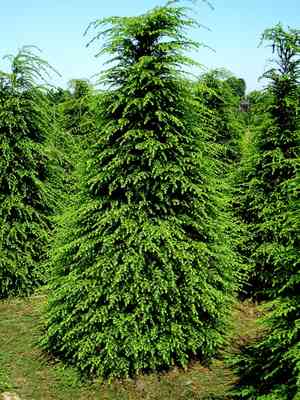
Eastern hemlock is best propagated in the fall and winter using layering, cuttings, and seeding techniques. This process can be somewhat difficult, and the emergence of new shoots indicates successful propagation. For improved outcomes, ensure adequate humidity and partially shaded conditions.
When Is the Optimal Time to Propagate Eastern Hemlock?
Propagation Method
Cutting
Propagation Period
Autumn,Winter
What Equipment Is Utilized in Eastern Hemlock Propagation?
Sharp pruning shears
These are vital for obtaining healthy cuttings from eastern hemlock. They ensure a clean incision that will minimize harm to the parent plant and maximize the cutting's rooting potential.
Rooting hormone powder
This encourages root growth when applied to the severed end of eastern hemlock cuttings. It boosts the chances of successful rooting by stimulating root development at the cutting site.
Sterile potting mix
A well-draining, sterile potting medium is essential for eastern hemlock's cuttings to prevent fungal infections and provide the necessary air circulation for root development.
Clean pots or trays
These are employed to plant the cuttings. Cleanliness is crucial to prevent the spread of disease to eastern hemlock cuttings during the critical rooting phase.
Plastic covers or propagation domes
These establish a humid environment around eastern hemlock cuttings, maintaining moisture and warmth to encourage root development and reduce water loss through transpiration.
Heating mats
For eastern hemlock propagation, a consistent and appropriate temperature can be maintained using heating mats, particularly vital in cooler climates where insufficient warmth could impede the rooting process.
Misting system or spray bottle
These tools are used to keep the humidity levels elevated around the cuttings of eastern hemlock, necessary for preventing the delicate new roots from drying out.
How to Nurture Your Newly Propagated Eastern Hemlock?
How to Nurture Your Newly Propagated Eastern Hemlock?
Once the cuttings of eastern hemlock have been successfully propagated and roots are established, it is important to gradually introduce them to typical growing conditions. This involves lowering the humidity level and increasing light exposure. When planting outdoors, select a location with partial to full shade and ensure that the soil is well-draining and fertile. Mulching can help retain soil moisture and protect the roots. Consistent watering is crucial, especially for the first few seasons until the plant is fully established. Fertilizing is not typically required. Monitor for pests and diseases, such as the hemlock woolly adelgid, and address any issues promptly with appropriate measures.
Common Errors to Avoid When Propagating Eastern Hemlock
Overwatering
Excessive water can lead to root rot and fungal diseases which are detrimental to eastern hemlock's health, hindering successful propagation.
Using non-acidic soil
Since eastern hemlock requires acidic soil, utilizing a neutral or alkaline soil medium can prevent successful root development and plant growth.
Deep planting of cuttings
Inserting cuttings too deeply can cause them to rot before they establish roots. Eastern hemlock cuttings require proper aeration to root effectively.
Neglecting humidity
Ignoring the need for high humidity might dry out the cuttings of eastern hemlock too quickly, leading to poor root formation.
Insufficient cleanliness
Using unsterilized tools or containers can introduce pathogens, which can be especially harmful during the vulnerable stage of propagation for eastern hemlock.
Advice For Propagating Eastern Hemlock
Appropriate soil mixture
Employ a well-draining acidic soil mix to mimic eastern hemlock's natural environment, which encourages healthy root development.
Humidity control
Maintain high humidity around eastern hemlock's cuttings by using a humidity dome or misting regularly to promote successful rooting.
Adequate light
Provide bright, indirect light for eastern hemlock, as it simulates the dappled sunlight of its natural understory habitat, fostering growth without scorching.
Rooting hormone
Apply a rooting hormone to eastern hemlock's cuttings to increase the likelihood of successful root formation and improve overall propagation rates.
Careful watering
Water eastern hemlock cuttings sparingly to keep the soil consistently moist but not waterlogged, preventing root rot and encouraging proper growth.



