How to Propagate Carolina hemlock?
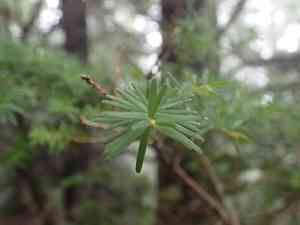
Carolina hemlock flourishes when reproduced via cuttings, a straightforward and efficient technique for this particular species. Begin by choosing robust, semi-woody sections from an established carolina hemlock. Confirm that each cutting possesses multiple nodes. Immerse the bottom of the cuttings in rooting compound to stimulate root formation, then embed them in a well-aerated, damp substrate. Preserve steady moisture levels and shield from direct sun exposure until roots are firmly set, subsequently relocating to a more enduring spot.
Optimal Period for Carolina Hemlock Propagation
Propagation Method
Cutting
Propagation Period
Autumn,Winter
Tools for Carolina Hemlock Propagation
Pruning Shears
These are crucial for obtaining clean, precise cuttings from carolina hemlock. Blades should be sharp and high-quality to prevent crushing or damaging plant tissue. Clean cuts promote healthier rooting and minimize disease risk.
Rooting Hormone
Applying rooting hormone to the base of carolina hemlock cuttings greatly enhances the likelihood of successful root formation. The hormone stimulates root growth and aids in quicker establishment, vital for carolina hemlock's delicate initial stages.
Propagation Trays
These trays serve to organize and manage cuttings during rooting. They must have adequate drainage and be made of durable material to support carolina hemlock's environmental needs, preventing waterlogging which can cause rot in early stages.
Sterilizing Agent
Used to sanitize all tools and trays before propagation to prevent pathogen spread to carolina hemlock. Sterilization ensures the hygienic conditions necessary for successful cutting rooting, preventing diseases from compromising the process.
Misting System
A gentle misting system helps maintain humidity around carolina hemlock cuttings, essential for preventing desiccation while rooting. Regular misting significantly improves moisture conditions around developing roots, boosting overall propagation success.
How to Propagate Carolina Hemlock?
Propagation Type
Moderately Difficult
Caring for Your Newly Propagated Carolina Hemlock
Caring for Your Newly Propagated Carolina Hemlock?
Once roots are established, gradually introduce carolina hemlock to lower humidity by removing the plastic cover for longer durations daily. Transplant to a larger container or a garden spot with well-draining soil, partial shade, and protection from strong winds. Consistent watering is important, especially during dry spells. Monitor for pests or diseases and treat as needed. Maintain mulch around the base to help retain soil moisture and provide ongoing nutritional support as carolina hemlock matures.
Common Errors to Avoid When Propagating Carolina Hemlock
Suboptimal rooting environment
Using a poorly draining or overly dense soil mix can lead to waterlogging, which is harmful to carolina hemlock's roots, potentially causing rot and hindering growth.
Excessive watering
While keeping the soil moist is important, overwatering can suffocate carolina hemlock's roots, reduce oxygen availability, and increase susceptibility to fungal infections.
Incorrect cutting selection
Choosing old or diseased stems instead of healthy, semi-hardwood segments can result in low viability and poor root development in carolina hemlock.
Neglecting humidity requirements
Failing to provide a humid environment for carolina hemlock during the rooting phase can lead to desiccation and the failure of cuttings to establish.
Advice for Propagating Carolina Hemlock
Application of rooting hormone
Applying a rooting hormone to the cut end of carolina hemlock's cuttings can significantly improve the chances of successful root development by promoting healthier and quicker root growth.
Appropriate soil mix
Utilize a light, well-draining soil mix, rich in organic matter, to promote adequate moisture retention and drainage, facilitating optimal root health for carolina hemlock.
Maintain high humidity
Creating a humidity-controlled environment, such as using a plastic cover over the propagation area, can help maintain the moisture carolina hemlock cuttings need to thrive without overwatering.
Careful watering
Water carolina hemlock's cuttings just enough to keep the soil moist but not soggy, using a spray bottle to gently mist the soil, thereby avoiding overwatering and providing the moisture needed for growth.



