How to Propagate Mountain hemlock?
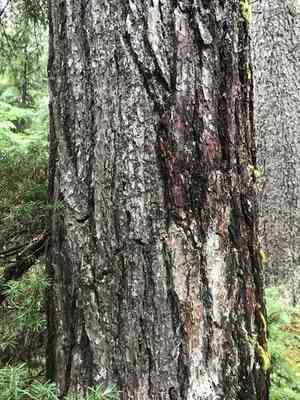
A coniferous evergreen featuring a slender, conical form, mountain hemlock is predominantly multiplied via cuttings. Effective propagation necessitates choosing robust semi-hardwood cuttings when the plant is actively developing. These cuttings ought to be treated with a rooting stimulant to encourage root formation, subsequently being positioned in a growing substrate that drains efficiently. Consistent humidity and dappled light conditions are crucial for successful rooting. Given its natural resilience to low temperatures, mountain hemlock can exhibit slow development; perseverance is vital as cuttings require time to cultivate a strong root network.
Optimal Period for Mountain Hemlock Propagation
Propagation Method
Cutting
Propagation Season
Autumn,Winter
Tools Required for Mountain Hemlock Propagation
Sharp Pruning Shears
These are crucial for obtaining clean, precise cuttings from mountain hemlock, facilitating the process by minimizing harm to both the donor plant and the cuttings themselves. Sharp blades prevent jagged cuts, which could potentially damage the plant and impede root development in the cuttings.
Rooting Hormone Powder or Gel
This substance boosts the rooting success of mountain hemlock cuttings by stimulating root formation at the cut surface. Employing a rooting hormone aids in establishing a robust root system more quickly than untreated cuttings.
Sterile Potting Mix
A well-draining, nutrient-rich potting medium offers the perfect setting for mountain hemlock cuttings to develop roots. The mix's sterility ensures no pathogens are present that could cause disease in the vulnerable cuttings.
Propagation Tray with Dome
This setup maintains a moist and stable environment around the mountain hemlock cuttings, which is vital for their survival and root growth. The dome helps retain moisture and warmth, mimicking a mini-greenhouse effect beneficial for rooting.
Heat Mat
Placing the propagation tray on a heat mat can significantly enhance the rooting success rates for mountain hemlock by providing consistent, gentle warmth. This heat is especially important for encouraging root growth in cooler conditions.
How to Propagate Mountain Hemlock?
Propagation Type
Moderately Difficult
Post-Propagation Care for Your Mountain Hemlock
Post-Propagation Care for Your Mountain Hemlock
Once mountain hemlock cuttings have developed roots, typically after several months, gradually introduce them to less humid conditions by removing the dome or plastic cover. Continue to water the plants regularly, allowing the soil to dry slightly between waterings. After a year, when the plants are more established, transplant them into larger containers or directly into the ground in a location that suits mountain hemlock's natural growing conditions – partial to full shade and well-drained acidic soil. Regularly check for pests and diseases and apply mulch to help maintain soil moisture and temperature stability.
Common Errors to Avoid When Propagating Mountain Hemlock
Overwatering
Excessive watering can lead to root rot in mountain hemlock, as it prefers well-drained soils. Too much moisture reduces oxygen availability to the roots, hindering growth or causing disease.
Using Poor Quality Cuttings
Starting with cuttings that are unhealthy or too small can impede the rooting process of mountain hemlock, lowering the chances of successful propagation.
Improper Soil Preparation
Failing to use a soil mixture with the correct pH and drainage characteristics can result in poor root development for mountain hemlock, which thrives in acidic and well-drained conditions.
Planting At Incorrect Depth
Planting cuttings too deeply can suffocate mountain hemlock's developing roots, while planting too shallow may cause the cutting to dry out before it establishes roots.
Tips For Propagating Mountain Hemlock
Use Healthy Parent Plants
Select robust and disease-free parent plants for cuttings to ensure vigorous growth and a higher likelihood of successful propagation for mountain hemlock.
Maintain High Humidity
Keeping the environment around mountain hemlock's cuttings humid supports hydration and promotes proper root formation without overwatering.
Proper Cutting Treatment
Treat cuttings with appropriate rooting hormone to stimulate root growth, and make clean cuts to prevent infection and encourage quicker healing in mountain hemlock.
Adequate Light Exposure
Ensure that mountain hemlock receives the correct amount of light, as too much direct sunlight can be detrimental, while too little can weaken the plant.



