How to Propagate Broadleaf cattail?
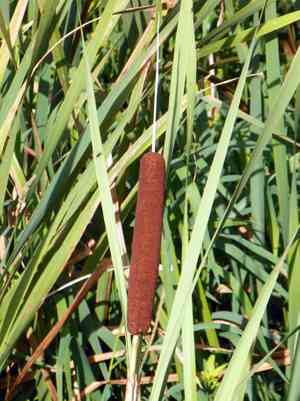
Broadleaf cattail propagates primarily through division, which is best undertaken in spring or autumn. Starting new plants requires moderate effort, with success evidenced by fresh, vigorous shoot growth. Careful separation of root clumps can enhance success rates.
What Is the Best Time To Propagate Broadleaf Cattail?
Propagation Type
Division
Propagation Season
Spring, Autumn
What Tools Are Used in Broadleaf Cattail Propagation?
Sharp Garden Knife or Spade
A durable, sharp garden knife or spade is essential for dividing broadleaf cattail's root mass with precision. This tool allows for clean cuts that minimize damage to the plant's rhizomes, facilitating a quicker recovery and successful establishment of new plants.
Garden Fork
A sturdy garden fork is useful for loosening the soil around broadleaf cattail before attempting division. This tool helps to minimize root damage by gently lifting the plant from the ground, ensuring a healthier transplant.
Watering Can with Fine Rose
Broadleaf cattail thrives in wet environments, and a watering can with a fine rose attachment ensures a gentle, even distribution of water. This is crucial for keeping the soil adequately moist after transplantation, promoting root establishment without eroding soil or disturbing the plant.
Gloves
Durable waterproof gloves protect the hands when handling broadleaf cattail, which can be found in wet, sometimes muddy conditions. Gloves are particularly important when dividing the root mass, as they provide a better grip and protect from sharp rhizome edges.
Trowel
A trowel comes in handy for digging small holes for individual broadleaf cattail rhizome sections when replanting. Its pointed shape allows for precise placement of the divisions, ensuring proper planting depth, which is crucial for optimal growth.
Wading Boots
Broadleaf cattail is typically found in aquatic or semi-aquatic environments, so waterproof wading boots are recommended to access plants comfortably and safely for propagation efforts.
Buckets or Containers
Buckets or containers are recommended for transporting the divided sections of broadleaf cattail. They can be filled with water to keep the rhizomes moist during transportation, which is critical for maintaining their viability until they can be replanted.
How to Propagate Broadleaf Cattail?
Propagation Type
Division
Difficulty Level
Easy
How to Care for Your Newly Propagated Broadleaf Cattail?
How to Care for Your Newly Propagated Broadleaf Cattail?
After propagation, make sure your broadleaf cattail receives ample sunlight and is situated in an area with continuous access to water as it is a wetland plant. Maintain high moisture levels in the soil or water medium. Manage the growth of broadleaf cattail, as it can become invasive. Periodically check for and remove any dead foliage to promote healthy growth and avoid decay in the water. Minor fertilization may be done, but broadleaf cattail generally does well in nutrient-rich, wet soils without additional feeding.
Common Mistakes to Avoid When Propagating Broadleaf Cattail
Overcrowded planting
Planting broadleaf cattail too densely can hinder growth due to competition for resources. Overcrowding can lead to poor air circulation and increase susceptibility to diseases.
Incorrect water levels
While broadleaf cattail thrives in wet conditions, extremely waterlogged soils or insufficient water can harm the plant. The former may cause rot, while the latter may lead to dehydration and poor growth.
Neglecting to section rhizomes properly
Improper division of broadleaf cattail's rhizomes can result in damage to the plants. Inadequate sectioning may prevent the establishment of new plants because each section needs a growth point to develop.
Ignoring pest control
Broadleaf cattail can be susceptible to pests. Failure to manage pests may cause damage to the plant, which can affect its growth and ability to propagate effectively.
Tips For Propagating Broadleaf Cattail
Adequate spacing
Ensure each broadleaf cattail has enough space to grow. Proper spacing prevents competition for nutrients, light, and space, promoting healthier plants and better propagation success.
Maintain optimal moisture
Monitor the moisture level of the soil where broadleaf cattail is planted. Consistent moisture promotes healthy growth, but soil should not be oversaturated to prevent root rot.
Careful rhizome division
When dividing rhizomes to propagate broadleaf cattail, make sure each new section has at least one growth point. Use a sharp, clean tool to make cuts to prevent disease transmission and undue stress on the plant.
Regular pest inspection
Perform regular inspections for pests and address infestations promptly. Healthy broadleaf cattail plants are more likely to propagate successfully. Use appropriate pest control methods to manage any issues.



