How to Propagate Winged elm?
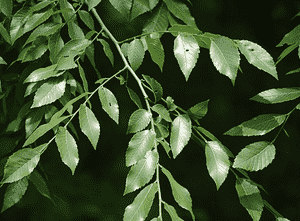
Winged elm can be reproduced through dormant wood cuttings, air layering, and seed planting during its prime propagation period in fall and winter. The process presents low difficulty, with successful propagation indicated by the emergence of roots or fresh sprouts. Essential advice involves ensuring the cutting originates from robust, pathogen-free wood.
When Is the Best Time to Propagate Winged Elm?
Propagation Method
Cutting
Propagation Period
Autumn,Winter
What Tools Are Used in Winged Elm Propagation?
Sharp pruning shears
Pruning shears are vital for taking healthy and precise cuttings from winged elm. Sharp blades ensure a clean cut that reduces damage to the parent plant and improves the cutting's chances of rooting.
Rooting hormone powder
Rooting hormone powder encourages root development in winged elm cuttings. Applying this substance to the cut end of a cutting helps to stimulate root growth and increases the success rate of propagation.
Sterile potting mix
A sterile potting mix provides a clean, disease-free environment for winged elm cuttings to establish roots. It should be well-draining to prevent root rot, while retaining enough moisture to support growth.
Propagation tray with dome
A propagation tray paired with a humidity dome creates a controlled microclimate, which is beneficial for maintaining the moisture levels required for winged elm cuttings to root. The dome also reduces water loss through evaporation.
Heating mat
A heating mat provides gentle warmth, which may help in encouraging root development in winged elm cuttings. Consistent bottom heat can improve rooting success, especially in cooler environments.
Watering can with a fine rose
A watering can with a fine rose allows for soft and even watering, delivering moisture to winged elm cuttings without disturbing the soil or damaging delicate new roots.
Disinfectant
Disinfectant is used to clean tools before and after taking cuttings from winged elm. Sterilization prevents the spread of diseases, which is critical for the health and viability of both the parent plant and the cuttings.
How to Care for Your Newly Propagated Winged Elm?
How to Care for Your Newly Propagated Winged Elm?
Once rooted, gradually acclimatize the winged elm to less humid conditions by opening the plastic covering progressively over a week. Once the cutting has established roots, transfer it to a larger pot or outdoor location, providing it with well-draining soil and full sun to partial shade. Water it regularly during dry periods and apply a balanced fertilizer during the growing season. Pruning should be done judiciously to maintain shape and promote a strong structure, especially in young winged elm. Monitor for pests and diseases, and treat them as necessary to keep your winged elm healthy.
Common Mistakes to Avoid When Propagating Winged Elm
Overwatering cuttings
Excessive moisture can lead to rotting of the cuttings before they establish roots, compromising propagation success.
Ignoring pest and disease control
Neglecting potential infestations or infections can weaken or kill the new cuttings, preventing successful propagation.
Planting cuttings too deep
Inserting cuttings too far into the soil may limit oxygen supply to the base, which is necessary for root initiation and growth.
Using unsterilized tools or containers
Propagation with contaminated equipment can introduce pathogens, severely affecting winged elm's health.
Overlooking the need for humidity
Ignoring the importance of a humid environment can lead to the desiccation of cuttings, hindering the rooting process.
Tips For Propagating Winged Elm
Proper cutting selection
Choose healthy semi-hardwood stems from the current or last season's growth, as they are more likely to root successfully.
Ideal soil mix
Use a well-draining, sterile soil medium that retains moisture without becoming waterlogged to encourage root development.
Use of rooting hormones
Applying a rooting hormone to the cut end of the cutting can enhance root growth and improve the chances of successful propagation.
Maintain optimal humidity
Creating an environment with high humidity around the cuttings, such as using a plastic cover, can prevent moisture loss and support rooting.
Monitor and adjust watering
Water the cuttings enough to keep the soil moist but not waterlogged, adjusting as necessary based on environmental conditions.



