How to Propagate American elm?
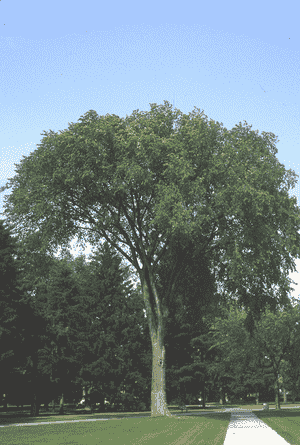
The American elm can be reproduced via dormant wood cuttings, air layering, and planting seeds in the fall and winter seasons. The ease of propagation may differ based on the technique employed, but indicators of successful reproduction include the appearance of fresh sprouts or root structures. When multiplying through dormant wood cuttings, selecting robust branches and maintaining them in damp earth or sand is crucial. For air layering, gently curve lower branches to the ground and secure them, enabling root development prior to detaching the new specimen. Regarding seed planting, abrade the seeds to enhance their sprouting potential.
Optimal Time for American Elm Propagation
Propagation Type
Cutting
Propagation Season
Fall,Winter
Tools for American Elm Propagation
Pruning shears
These are crucial for obtaining american elm cuttings. Blades must be sharp and clean to ensure a precise cut, minimizing infection risk and harm to the parent plant. Sterilize shears between cuts to prevent disease spread.
Rooting hormone
This substance promotes root formation and boosts the success rate of american elm cuttings. Dipping the cut end into the hormone enhances root growth for stronger establishment.
Propagation medium
A sterile, well-draining medium is essential for american elm cuttings to prevent disease and encourage root growth. A peat and perlite or vermiculite mix offers the aeration and moisture retention suitable for american elm's root development.
Containers or trays
Appropriate containers or trays hold the propagation medium and american elm cuttings. They should have drainage holes to allow excess water to escape while keeping cuttings moist.
Humidity dome or plastic bag
Maintaining high humidity is vital for cuttings to prevent drying out. A dome or plastic bag over containers creates a humid environment supporting the initial growth of american elm's cuttings.
Heating mat
Optional for american elm, but it can improve rooting success by providing bottom heat, which stimulates root growth and can lead to quicker establishment of cuttings.
Labeling materials
Labels are important for tracking the progress of each american elm cutting. This aids in organizing the propagation process and monitoring the development of each plant specimen.
Caring for Your Newly Propagated American Elm
Caring for Your Newly Propagated American Elm
Once the american elm cutting has rooted and shows new growth, gradually introduce it to less humid conditions by removing the plastic cover for longer periods daily. After a few weeks, transplant the young american elm into a larger pot or directly into a prepared garden site with well-draining soil. Continue to water regularly to keep the soil consistently moist, and shield the tree from strong winds. As american elm grows, provide support if needed, and monitor for pests and diseases. Pruning to develop a strong branch structure can begin after the first year of growth.
Common Mistakes to Avoid When Propagating American Elm
Overwatering cuttings
Excessive watering can lead to root rot or fungal diseases, hindering root development in american elm's cuttings.
Planting in poor soil
Using an inadequate or unsuitable soil mix can prevent roots from receiving necessary nutrients and support, impeding american elm's growth.
Neglecting humidity levels
Failure to maintain high humidity can cause american elm's cuttings to dry out before they can establish roots.
Ignoring disease resistance
Choosing propagation material from non-disease-resistant trees can perpetuate vulnerability to Dutch elm disease in new american elm saplings.
Tips For Propagating American Elm
Semi-hardwood cuttings
Utilize semi-hardwood cuttings for higher success rates in propagating american elm as they possess the ideal balance of maturity and growth potential.
Sterile environment
Keep all tools and pots sterile to prevent the transfer of diseases to american elm's cuttings.
Rooting hormone
Apply a rooting hormone to american elm's cuttings to stimulate root development and increase the chances of successful propagation.
Monitor moisture levels
Regularly check the moisture levels in the soil to ensure american elm's cuttings have adequate water without being over-saturated.



