How to Propagate Blue vervain?
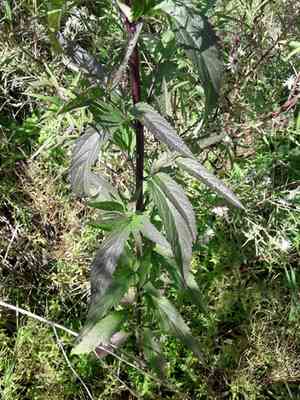
The favored method for multiplying blue vervain is planting seeds in the springtime. Its propagation difficulty is considered straightforward. Successful multiplication is indicated by robust root development and fresh leaves. Guarantee adequate drainage to prevent root decay.
Optimal Period for Blue Vervain Propagation
Propagation Method
Seeding
Propagation Season
Spring
Tools for Blue Vervain Propagation
Seed trays or flats
These shallow containers with drainage holes offer an ideal setting for germinating blue vervain seeds. They enable easy monitoring of moisture levels and root development. Trays aid in organized sowing and facilitate better space and quantity management.
Misting bottle or system
Adequate moisture is vital for blue vervain seed germination. A misting bottle provides a gentle way to water seeds without displacing them. For larger operations, an automated misting system can maintain consistent humidity.
Potting mix or seed starting mix
A high-quality potting mix ensures the correct balance of drainage and water retention, crucial for blue vervain seed germination. It should be sterile to minimize the risk of soil-borne diseases affecting delicate seedlings.
Heat mats
Blue vervain may benefit from stable soil temperatures during germination. A heat mat can provide a controlled warming effect, potentially increasing seed sprouting success rates.
Grow lights
If starting blue vervain seeds indoors or in an area with insufficient natural light, grow lights can supply the necessary light spectrum to support robust and healthy seedling growth.
Dibber or seed sowing tool
This tool helps create uniform holes or indentations in the soil for sowing blue vervain seeds at the correct depth, which is critical for optimal germination rates.
Thermometer and hygrometer
Monitoring temperature and humidity in the propagation environment is essential for creating conditions favorable for blue vervain growth. Ensuring the environment is neither too cold nor too humid can prevent seedling diseases like damping off.
Fine mesh sieve
When sowing blue vervain seeds, which can be quite small, a fine mesh sieve can be used to evenly distribute a light layer of soil over the seeds without burying them too deeply.
How to Propagate Blue Vervain
Propagation Type
Seeding
Difficulty Level
Simple
Caring for Newly Propagated Blue Vervain
Caring for Newly Propagated Blue Vervain
After propagation, blue vervain plants need full sun to partial shade and well-draining soil. Water them regularly until established, but once mature, they tolerate drought. Deadheading isn't required as blue vervain is a self-seeding perennial, but if self-seeding is undesired, remove spent flower spikes. Fertilization is rarely needed; however, an annual compost application can be beneficial. Monitor for pests and diseases and address them promptly if they appear.
Common Errors to Avoid When Propagating Blue Vervain
Ignoring soil texture
Using soil that is too dense or clay-heavy can lead to waterlogging, which may suffocate blue vervain roots and hinder growth. Poorly draining soil can also encourage root rot or fungal diseases, detrimental to blue vervain's health.
Overwatering
While keeping the soil moist is crucial when propagating blue vervain from seeds or cuttings, excessive watering can cause similar issues as incorrect soil texture, reducing oxygen for roots and increasing disease risk.
Deep planting
Blue vervain seeds need light for germination, so sowing them too deep may result in poor germination rates. For cuttings, placing them too deep might cause them to rot before rooting.
Tips For Propagating Blue Vervain
Surface sowing
Since blue vervain seeds require light to germinate, sow them on the surface of a well-draining germination mix and lightly press them into the soil without covering them. This ensures adequate light while maintaining contact with moist soil.
Cutting selection
Choose healthy, non-flowering stems for cuttings, as these have more vigor and a better chance of rooting. Flowering stems may divert energy to blooming instead of rooting, which can lead to poor propagation outcomes.
Moderate watering
Provide blue vervain with a delicate balance of moisture by misting the soil regularly to keep it damp but not waterlogged. Using a spray bottle can help control the amount of water applied, promoting a favorable environment for seed germination and cutting rooting.



